

Jet Oil
Fly the Future
Jet oil refers to specialized synthetic lubricants (Turbine Engine Oils or TEOs) for high-performance jet engines, unlike jet fuel (Jet A/A-1) which powers them; these oils must withstand extreme temperatures, offer superior thermal/oxidative stability, and prevent wear, protecting engine bearings and components, with common types like Mobil Jet Oil II crucial for engine life and efficiency, though they contain hazardous ingredients requiring strict handling.
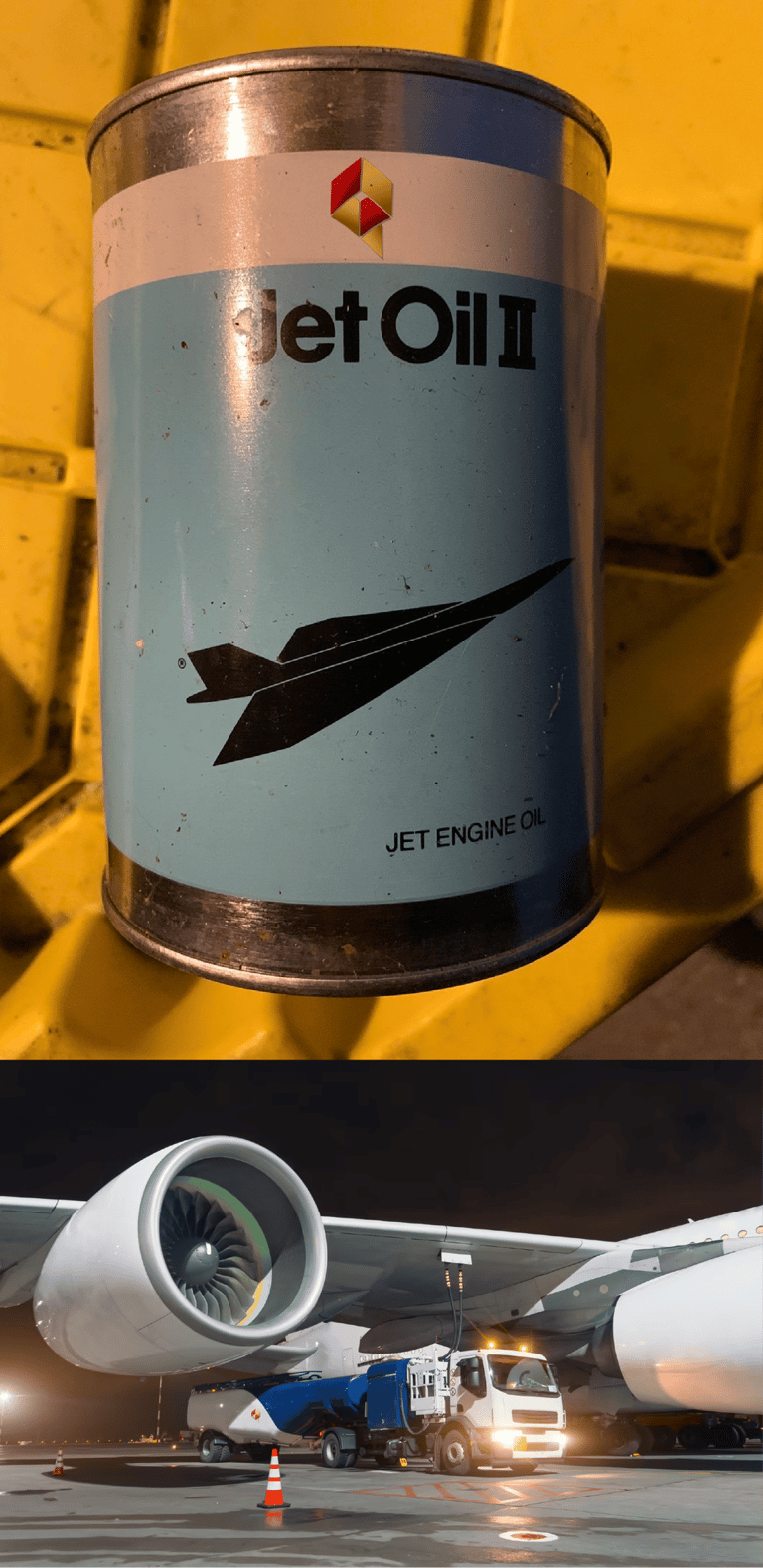
Base Fuel: Primarily a modified kerosene, similar to diesel but with stricter controls.
Additives: Contains crucial additives for antioxidant properties that prevent gumming, static dissipation, anti-icing and corrosion inhibition.
Extreme Performance: Designed for gas turbine (jet) engines, offering high energy density and stable combustion at extreme altitudes & temperatures from -40°C to over 250°C, a range beyond petroleum-based oils.
Synthetic Formulation: Developed because mineral oils can't meet jet engine demands; synthetic versions provide necessary stability and lubrication.
Lubrication: Circulates to lubricate bearings and gears, preventing wear and corrosion.
Thermal Stability: Maintains viscosity and film strength at high heat, reducing sludge and carbon buildup.
Engine Life: Extends engine life and efficiency by protecting parts, reducing maintenance.
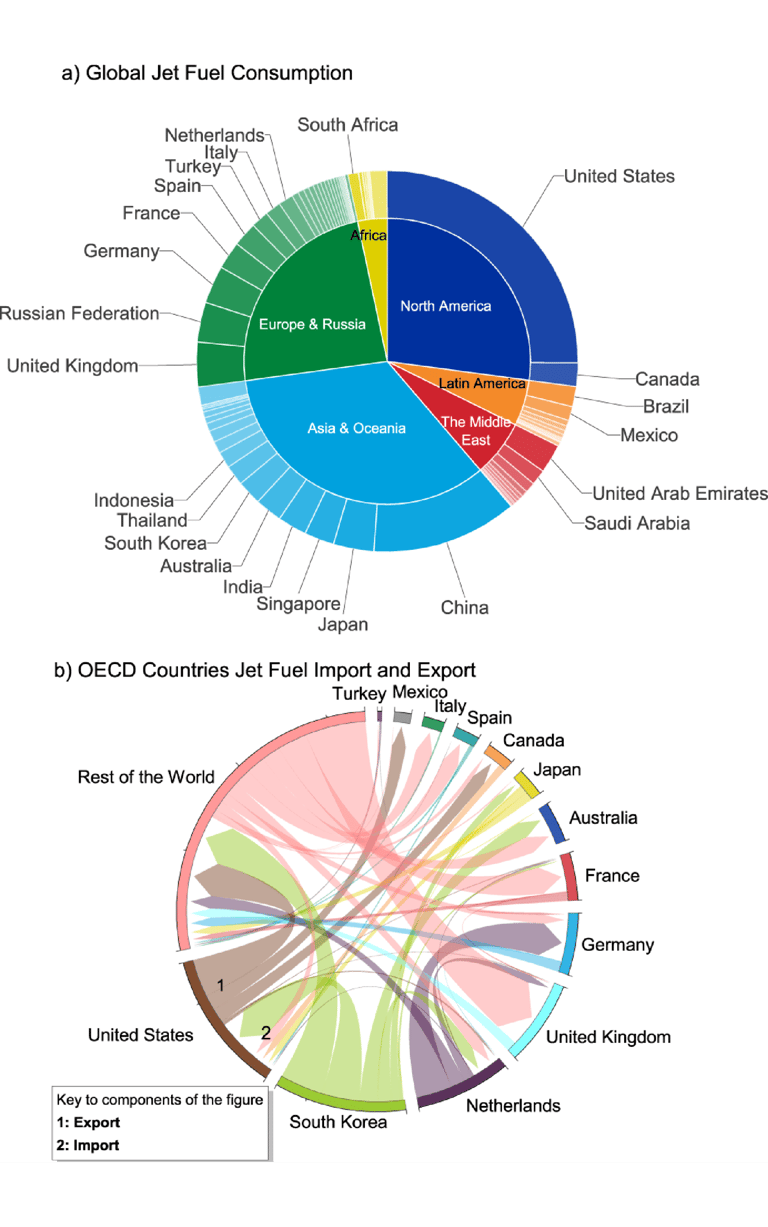
Jet Oils are primarily kerosene-based, with Jet A (US standard, -40°C freeze point) and Jet A-1 (worldwide standard, -47°C freeze point) being the most common for turbine engines, alongside military variants like JP-8. Other types include Jet B (a wider cut kerosene-gasoline mix for extreme cold), specialty blends like JP-5, and emerging Sustainable Aviation Fuels (SAF), often blended with traditional kerosene for reduced emissions.
Types of Jet Oil
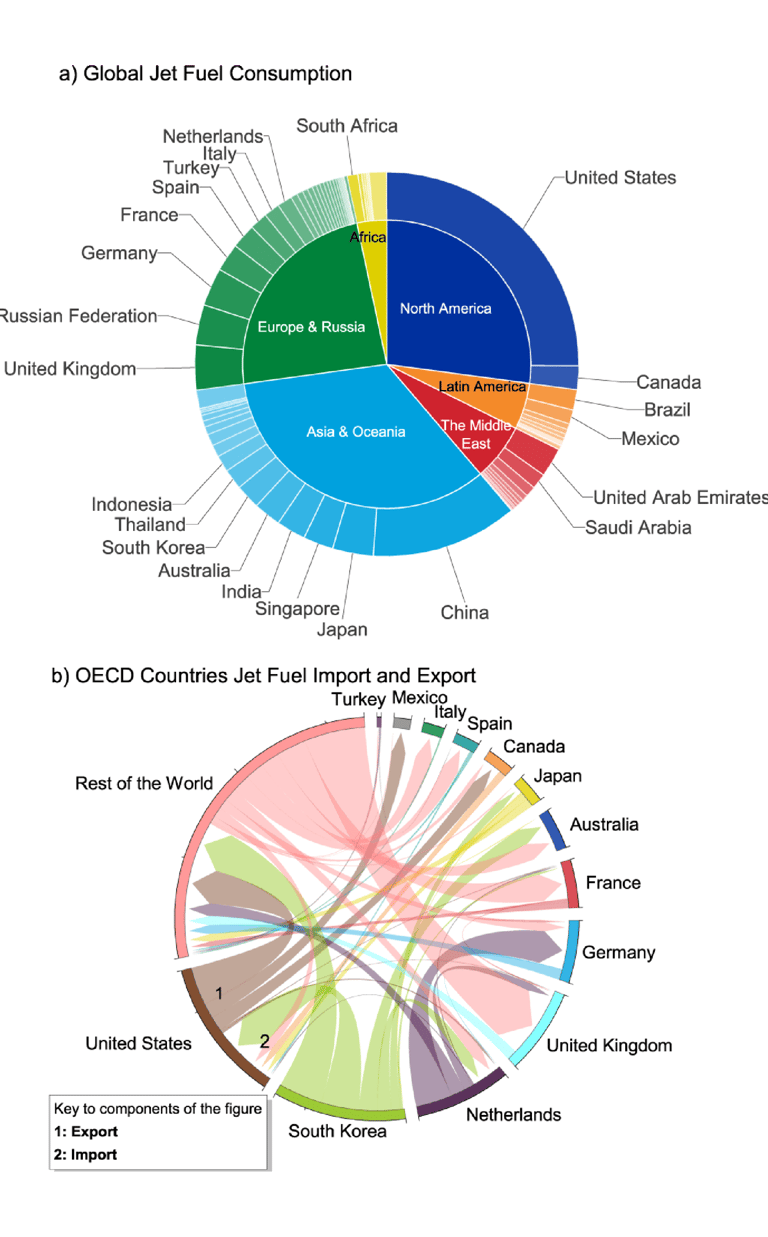
Common Kerosene-Based Jet Oils
Jet A: The primary jet fuel in the United States, with a freezing point of -40°C, suitable for most commercial flights in North America.
Jet A-1: The most widely used jet fuel globally, featuring a lower freezing point (-47°C) for colder climates and international flights.
JP-8: A military-grade kerosene fuel (similar to Jet A-1) used by air forces, with additives for extreme conditions.
JP-5: A kerosene-based fuel with a higher flash point, used primarily by the U.S. Navy for safety on aircraft carriers.
Other Types Types of Jet Oil
Jet B (JP-4): A wide-cut fuel blending naphtha and kerosene, offering better cold-weather performance but with lower energy content; used in military and some civil aviation.
TS-1: A Russian-standard kerosene fuel with high volatility, used in some regions.


Sustainable Alternative
Sustainable Aviation Fuel (SAF) (Bio-Kerosene): Made from renewable sources (like used cooking oil, agricultural waste) or synthetic processes (like Fischer-Tropsch), blended with conventional jet fuel to significantly cut carbon emissions.
Jet Oil (like Jet A/A-1) is naturally clear to straw-coloured, like light yellow or amber, but can sometimes appear pink or off-colour due to impurities or processing, while jet engine oil (lubricant) varies from amber/gold to darker shades as it ages, with a distinct 'oil slick' colour sometimes seen in powder coating mimicking jet fuel's iridescent look.
Colours of Jet Oil
Normal: Clear, colourless, or a pale straw/yellow tint.
Variations: Can have pink, reddish, or even blue hues due to certain crude sources, high processing temperatures, or phenolic compounds, but these are less common.
Jet Oil
Fly the Future
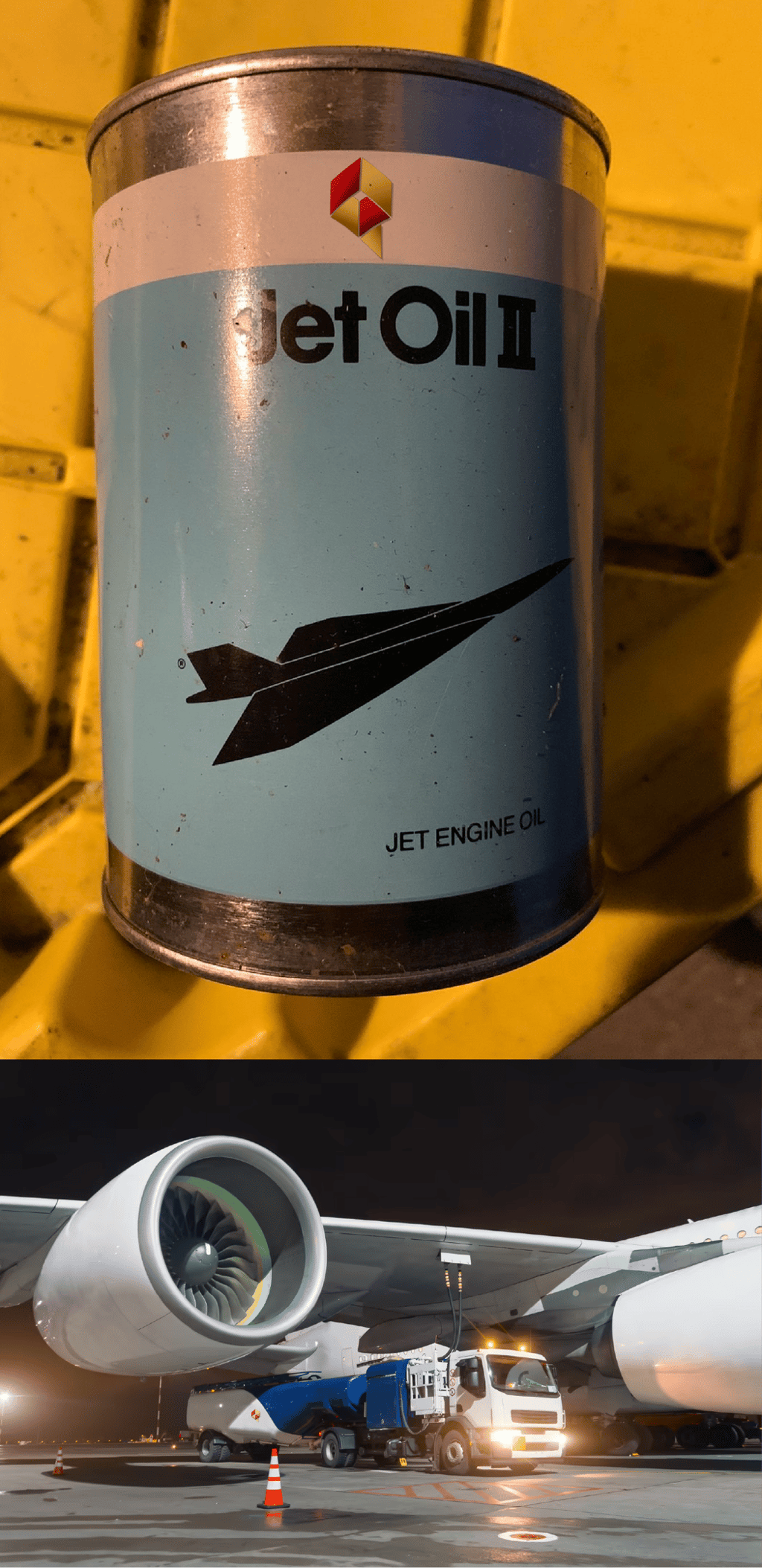
Jet oil refers to specialized synthetic lubricants (Turbine Engine Oils or TEOs) for high-performance jet engines, unlike jet fuel (Jet A/A-1) which powers them; these oils must withstand extreme temperatures, offer superior thermal/oxidative stability, and prevent wear, protecting engine bearings and components, with common types like Mobil Jet Oil II crucial for engine life and efficiency, though they contain hazardous ingredients requiring strict handling.
Base Fuel: Primarily a modified kerosene, similar to diesel but with stricter controls.
Additives: Contains crucial additives for antioxidant properties that prevent gumming, static dissipation, anti-icing and corrosion inhibition.
Extreme Performance: Designed for gas turbine (jet) engines, offering high energy density and stable combustion at extreme altitudes & temperatures from -40°C to over 250°C, a range beyond petroleum-based oils.
Synthetic Formulation: Developed because mineral oils can't meet jet engine demands; synthetic versions provide necessary stability and lubrication.
Lubrication: Circulates to lubricate bearings and gears, preventing wear and corrosion.
Thermal Stability: Maintains viscosity and film strength at high heat, reducing sludge and carbon buildup.
Engine Life: Extends engine life and efficiency by protecting parts, reducing maintenance.
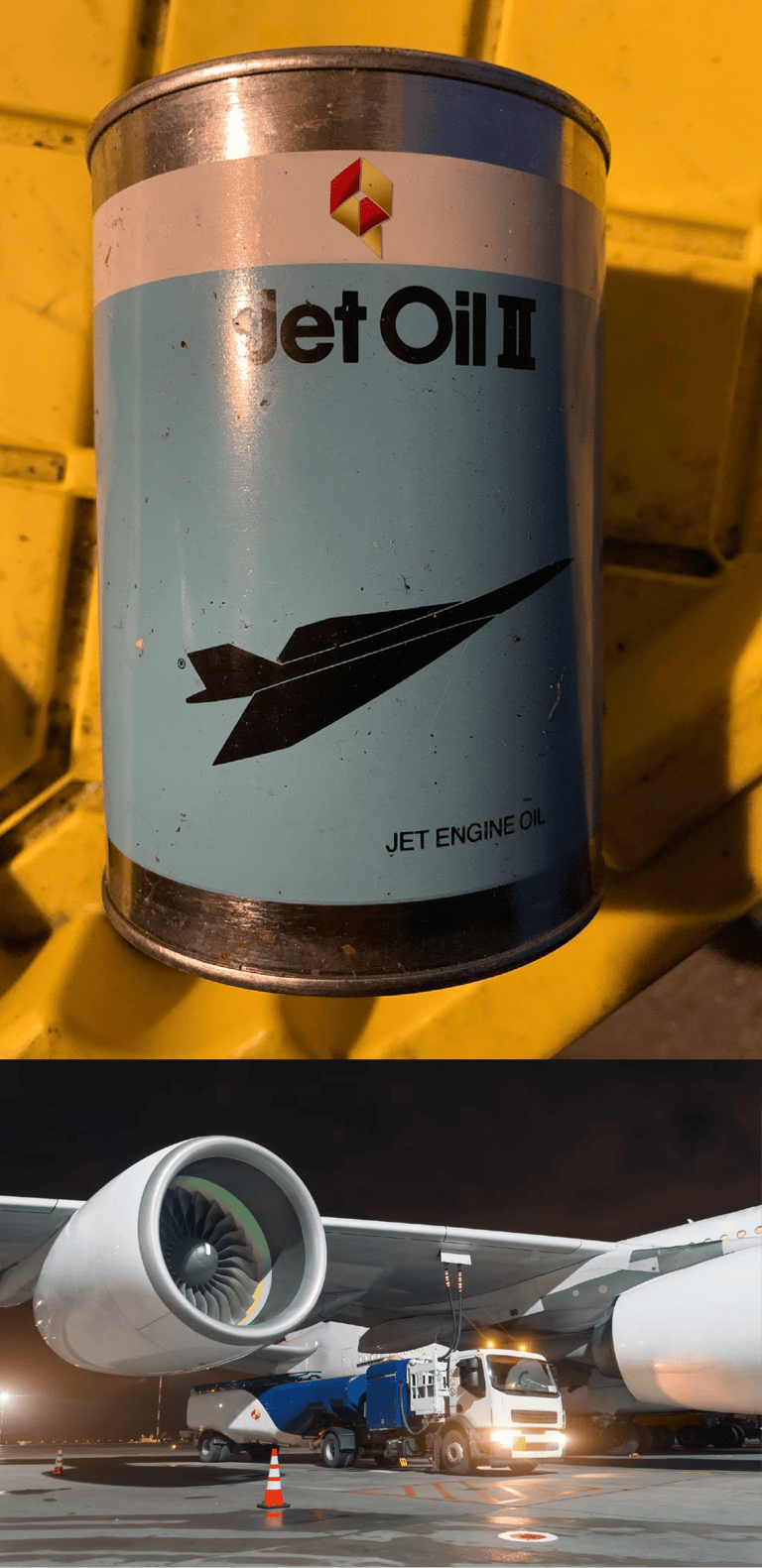
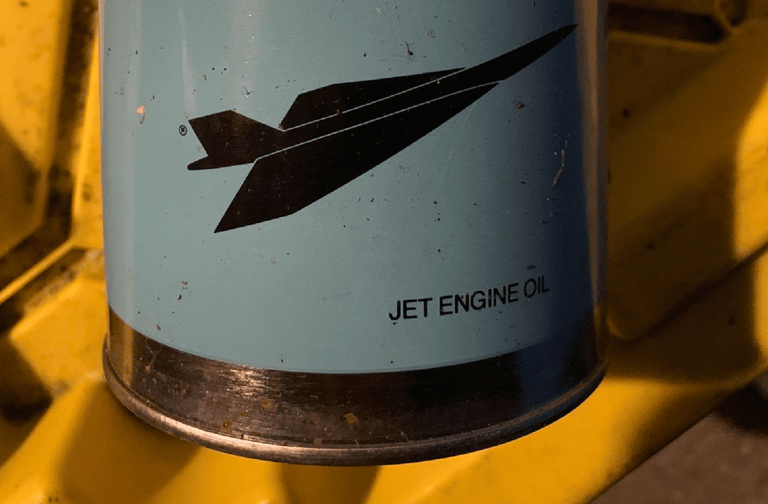
Jet Oils are primarily kerosene-based, with Jet A (US standard, -40°C freeze point) and Jet A-1 (worldwide standard, -47°C freeze point) being the most common for turbine engines, alongside military variants like JP-8. Other types include Jet B (a wider cut kerosene-gasoline mix for extreme cold), specialty blends like JP-5, and emerging Sustainable Aviation Fuels (SAF), often blended with traditional kerosene for reduced emissions.
Types of Jet Oil
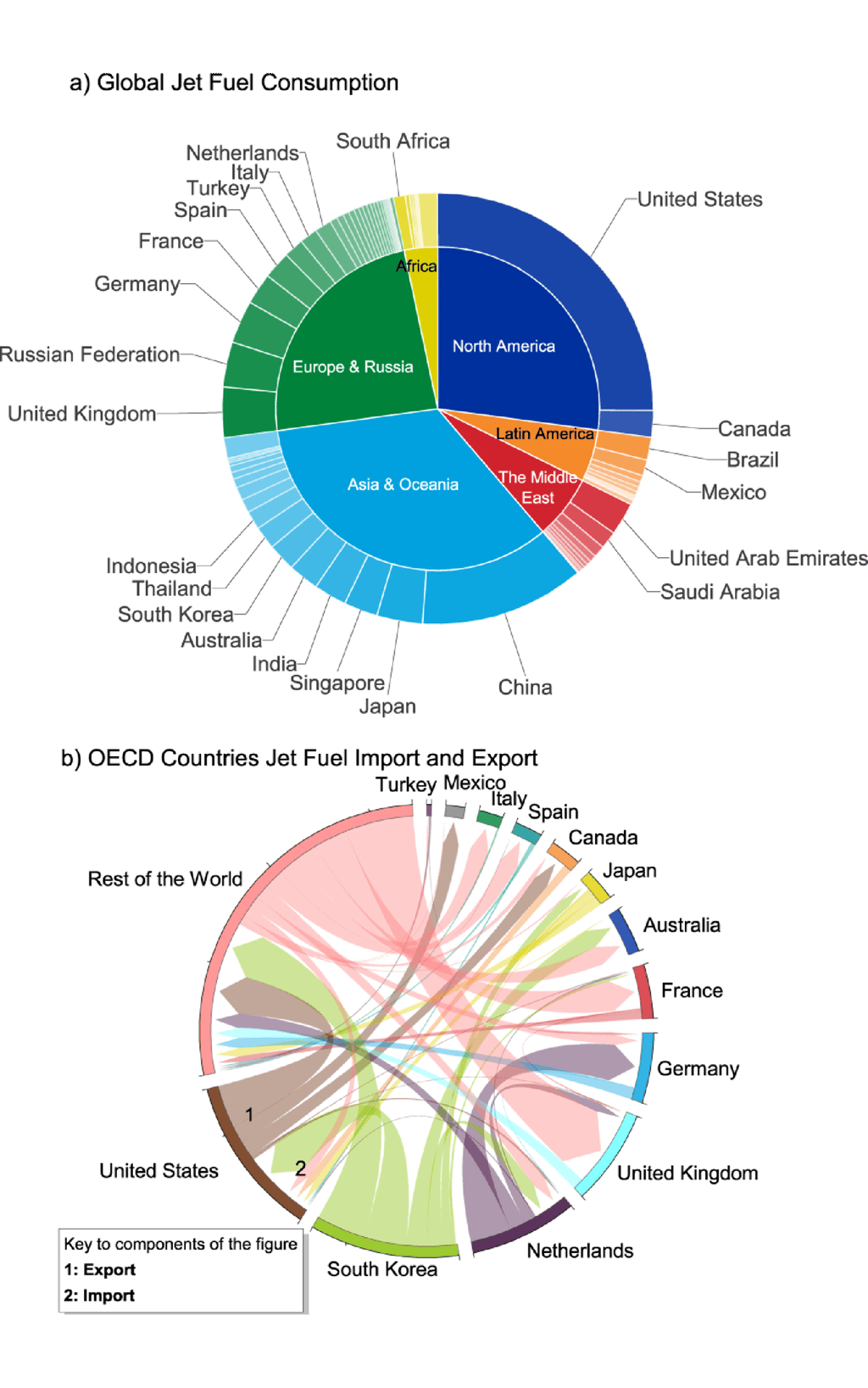
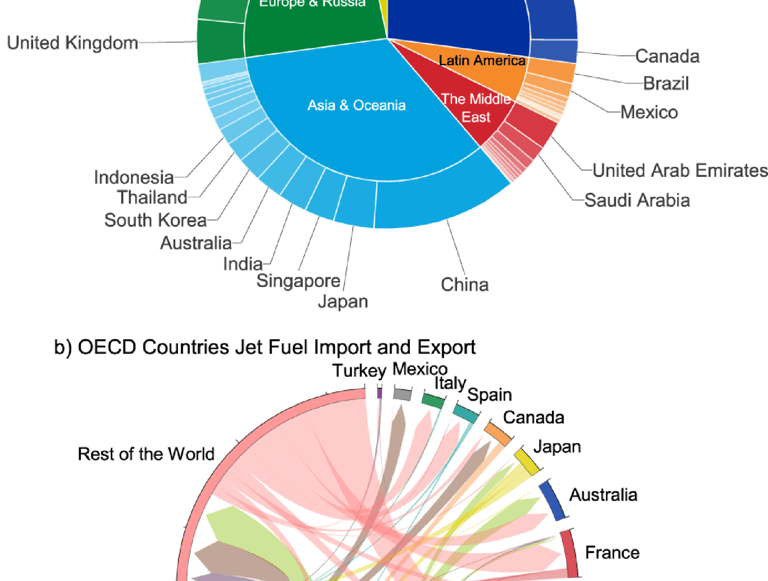
Common Kerosene-Based Jet Oils
Jet A: The primary jet fuel in the United States, with a freezing point of -40°C, suitable for most commercial flights in North America.
Jet A-1: The most widely used jet fuel globally, featuring a lower freezing point (-47°C) for colder climates and international flights.
JP-8: A military-grade kerosene fuel (similar to Jet A-1) used by air forces, with additives for extreme conditions.
JP-5: A kerosene-based fuel with a higher flash point, used primarily by the U.S. Navy for safety on aircraft carriers.
Other Types Types of Jet Oil
Jet B (JP-4): A wide-cut fuel blending naphtha and kerosene, offering better cold-weather performance but with lower energy content; used in military and some civil aviation.
TS-1: A Russian-standard kerosene fuel with high volatility, used in some regions.
Sustainable Alternative
Sustainable Aviation Fuel (SAF) (Bio-Kerosene): Made from renewable sources (like used cooking oil, agricultural waste) or synthetic processes (like Fischer-Tropsch), blended with conventional jet fuel to significantly cut carbon emissions.
Jet Oil (like Jet A/A-1) is naturally clear to straw-coloured, like light yellow or amber, but can sometimes appear pink or off-colour due to impurities or processing, while jet engine oil (lubricant) varies from amber/gold to darker shades as it ages, with a distinct 'oil slick' colour sometimes seen in powder coating mimicking jet fuel's iridescent look.
Colours of Jet Oil
Normal: Clear, colourless, or a pale straw/yellow tint.
Variations: Can have pink, reddish, or even blue hues due to certain crude sources, high processing temperatures, or phenolic compounds, but these are less common.