
Gasoline
Fuelling Your Life's Journey
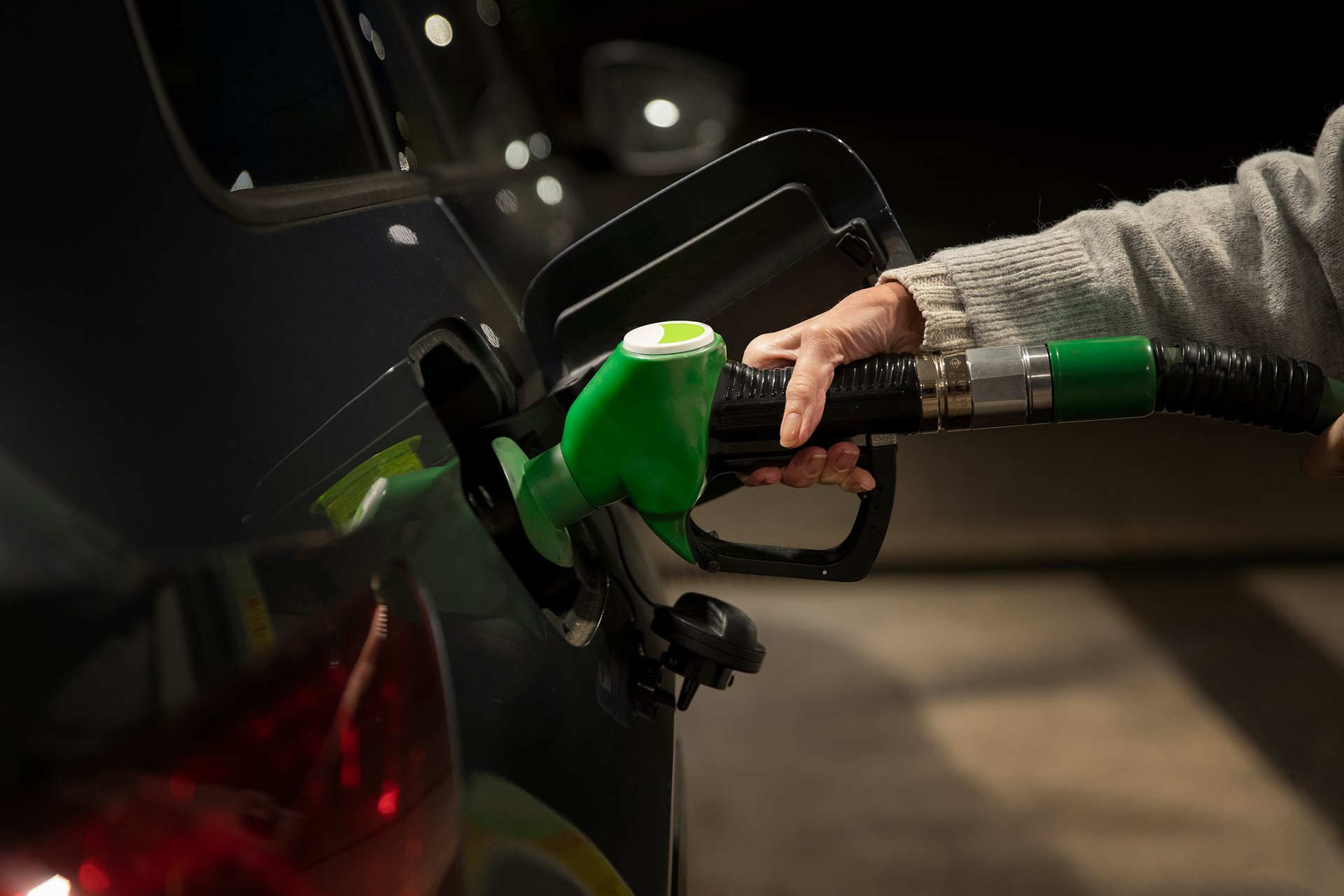
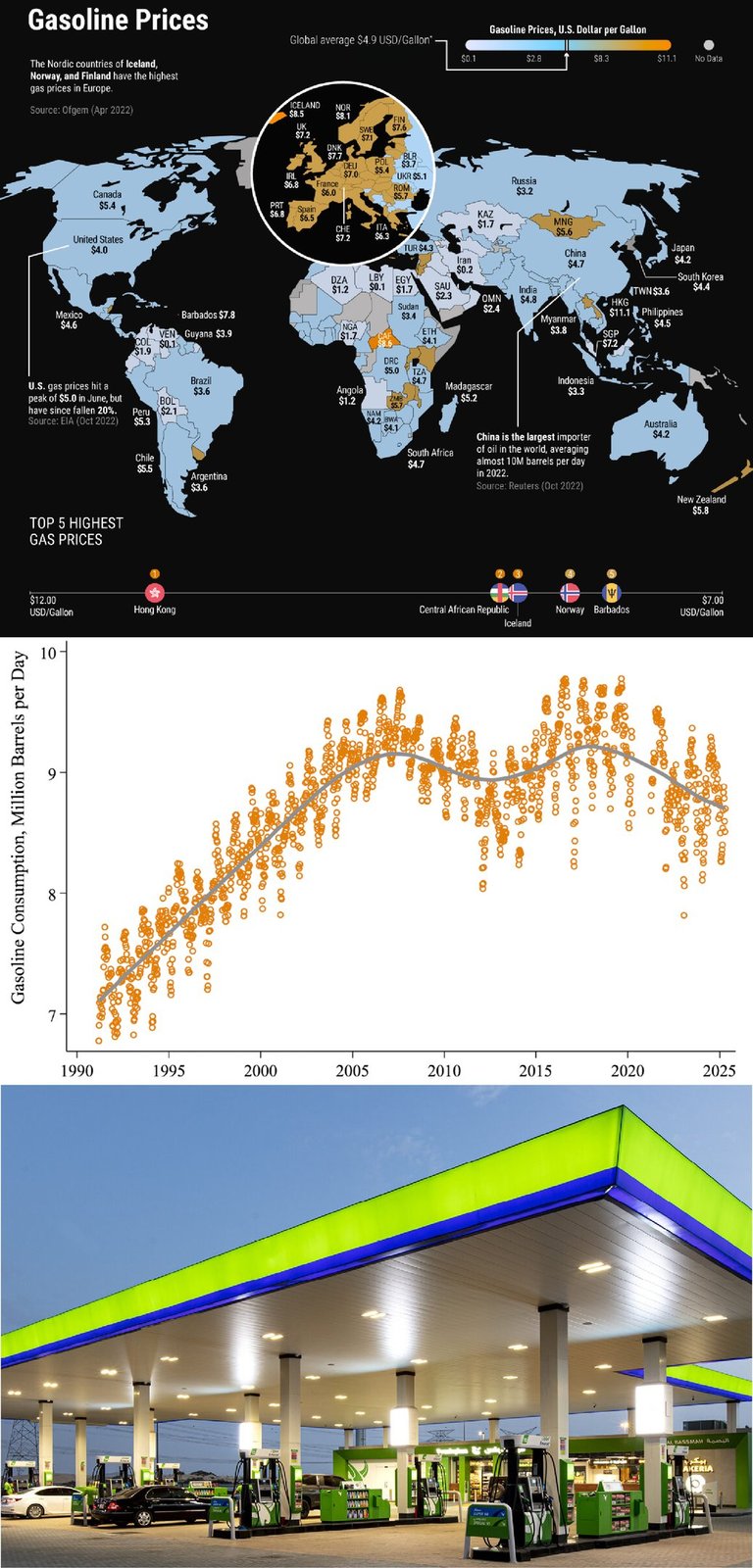
Gasoline (or petrol) is a highly flammable liquid fuel derived from crude oil, essential for spark-ignition internal combustion engines in most vehicles, consisting of complex hydrocarbons enhanced with additives for performance and efficiency, with its quality measured by its octane rating to prevent engine "knocking". Originally a byproduct, it became vital for transportation, produced in refineries through distillation and chemical processes, and sold in various grades like regular, midgrade, and premium to meet different engine needs.
Key Characteristics:
Octane Rating: Measures its resistance to auto-ignition (knocking); higher octane (premium) resists knocking better.
Volatility: Its ability to vaporize, crucial for engine starting and performance.
Additives: Oxygenates (like ethanol) and other chemicals are blended in to improve performance, stability, and reduce emissions.
How it's Used:
Primary fuel for cars, trucks, and other spark-ignited engines.
Its energy content and volatility allow it to mix with air for combustion in carburetors or fuel injectors.
What it is:
A transparent, volatile, and flammable liquid mixture of hydrocarbons (C4-C12).
Obtained from crude petroleum through fractional distillation and further refining.
The main types of gasoline are categorized by octane level: Regular (lowest, ~87), Midgrade (~89), and Premium (highest, 91-94), with the number indicating resistance to engine "knock," but higher octane isn't always better for standard cars. Other types include Ethanol Blends (like E10, E15, E85 for flex-fuel vehicles) and specialized fuels, with the best choice depending on your vehicle's manufacturer recommendations to ensure proper engine performance.
Types of Gasoline
Standard Octane Grades
Regular: Lowest octane (typically 87), suitable for most cars.
Midgrade: Middle-range octane (around 89), often a blend of regular and premium.
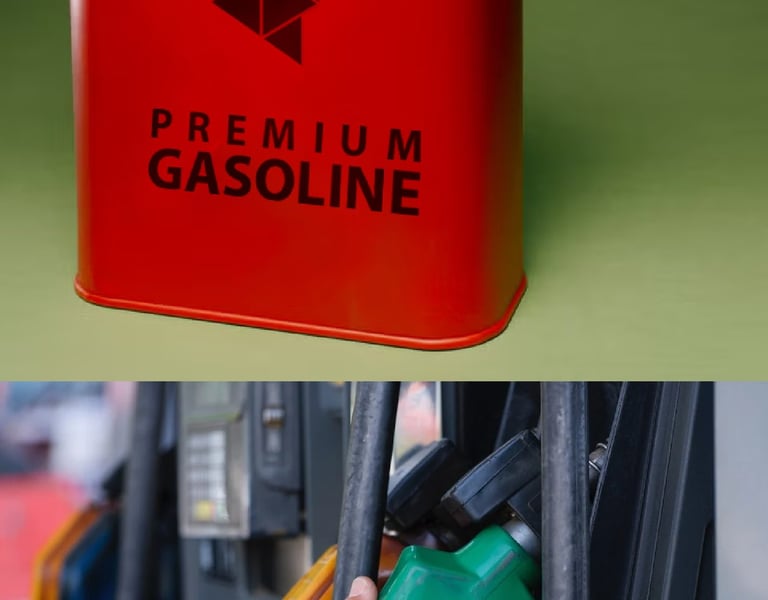
Premium: Highest octane (91-94), for high-performance or turbocharged engines that require it.
Other Types & Blends
Ethanol Blends: Gasoline mixed with ethanol (a biofuel).
E10/E15: Common blends with up to 10% or 15% ethanol.
E85 (Flex Fuel): Contains up to 85% ethanol, for vehicles designed to use it (Flex Fuel Vehicles).
Ethanol-Free Gas: Gasoline with no ethanol, available for specific needs or older vehicles.
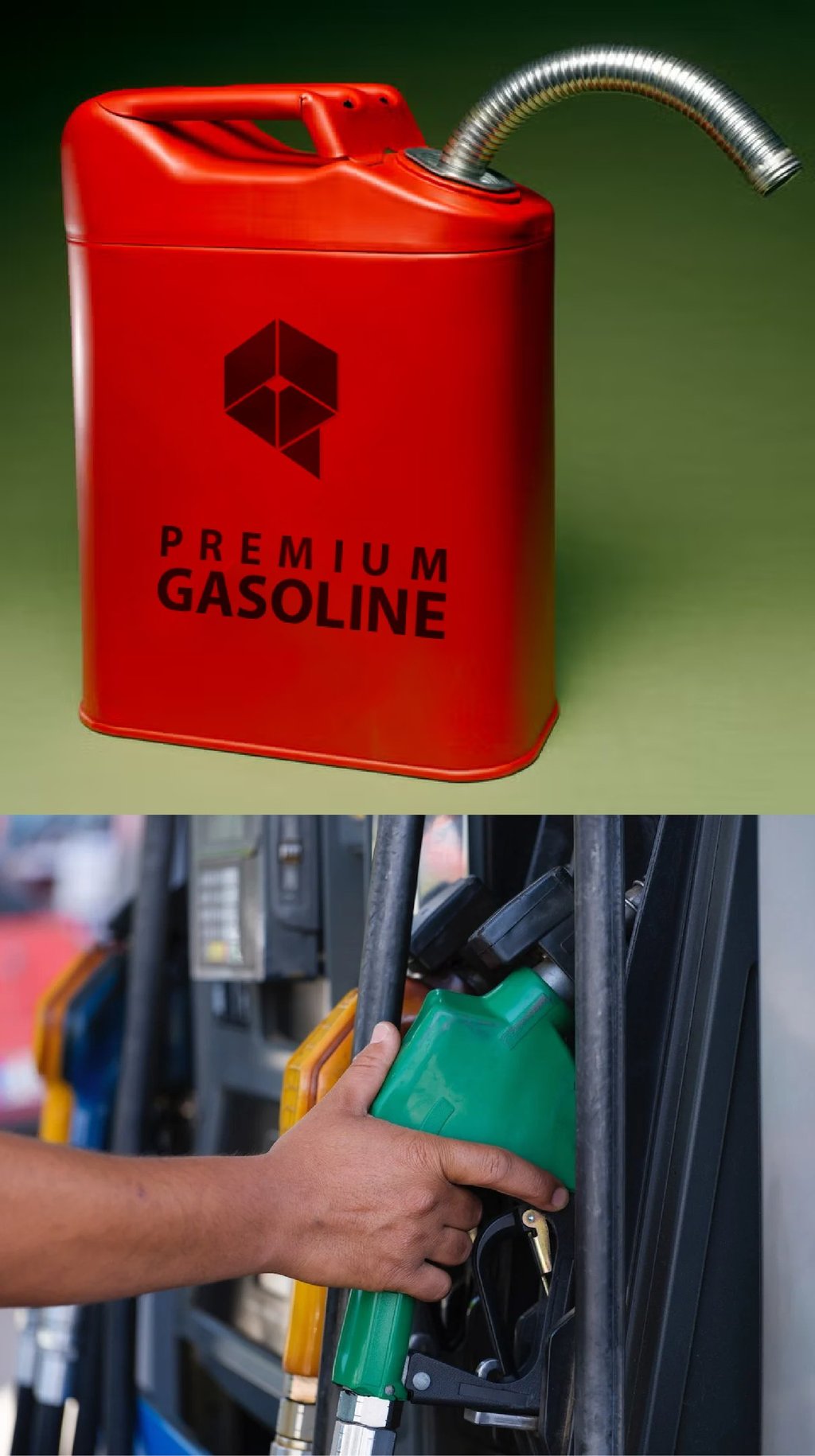
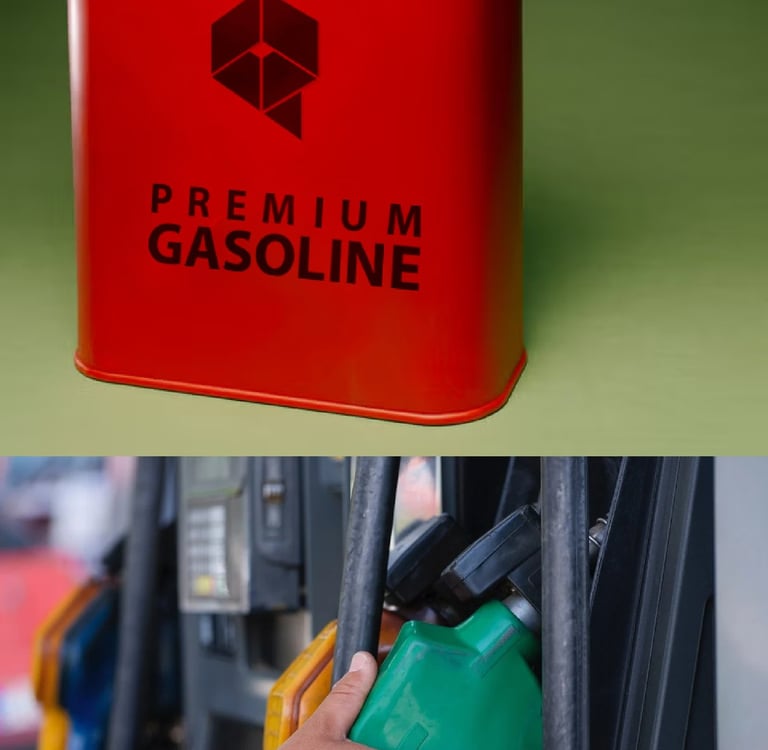
Key Difference: Octane Rating
Octane number measures fuel's ability to resist premature ignition (knocking) in the engine.
Knocking (pinging sound) can damage engines; higher octane prevents this in high-compression engines.
Which to Use?
Always follow your car's owner's manual for the recommended octane level.
Using higher octane than required offers little benefit for standard cars, while using lower octane can cause issues.
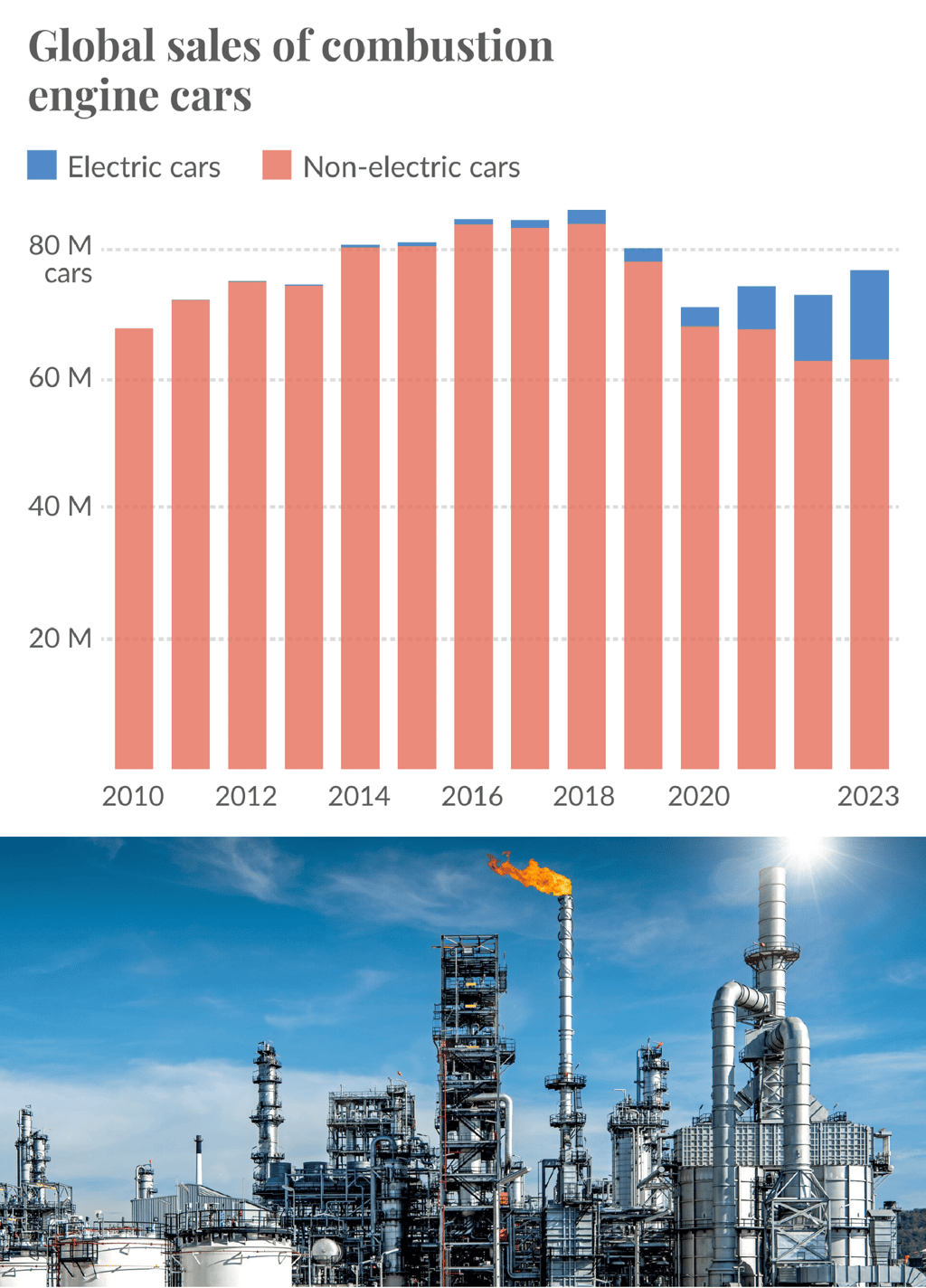
Gasoline is naturally clear or colourless, like water, but it often appears slightly yellowish or amber due to natural compounds from refining; it's frequently dyed specific colours (like red or purple) to denote tax status for off-road or industrial use, distinguishing it from on-road fuel. Different grades or additives can also give it hues of green, yellow, or brown, but the base fuel is clear.
Colours of Gasoline
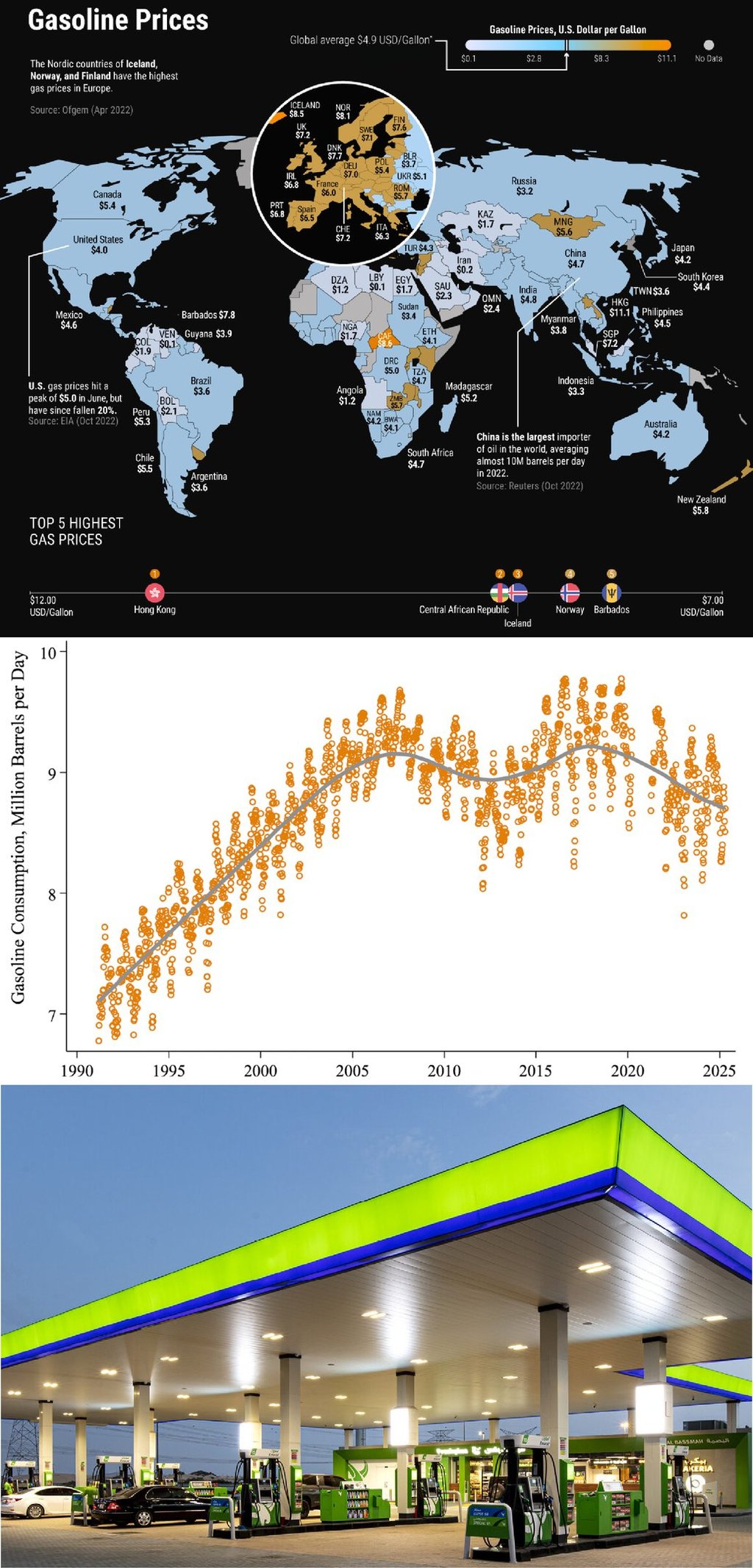
Natural Colour
Clear/Colourless: Fresh, pure gasoline is essentially clear, similar to water.
Faint Yellow/Amber: A slight yellow or golden tint comes from the refining process and natural components.
Dyed Colors (for tax/usage)
Red: Commonly used for off-road diesel and sometimes gasoline, indicating it's untaxed for road use, used in farming, construction, or marine vessels.
Purple/Other: Various colours, including purple, can be used for special, tax-exempt fuels, depending on regional regulations.
Other Colours
Blue: Aviation gasoline (Avgas) is distinct and often dyed blue.
Green/Brown: Specific additives for different grades or regions can create green, yellow, or brown shades
Gasoline
Fuelling Your Life's Journey
Gasoline (or petrol) is a highly flammable liquid fuel derived from crude oil, essential for spark-ignition internal combustion engines in most vehicles, consisting of complex hydrocarbons enhanced with additives for performance and efficiency, with its quality measured by its octane rating to prevent engine "knocking". Originally a byproduct, it became vital for transportation, produced in refineries through distillation and chemical processes, and sold in various grades like regular, midgrade, and premium to meet different engine needs.
Key Characteristics:
Octane Rating: Measures its resistance to auto-ignition (knocking); higher octane (premium) resists knocking better.
Volatility: Its ability to vaporize, crucial for engine starting and performance.
Additives: Oxygenates (like ethanol) and other chemicals are blended in to improve performance, stability, and reduce emissions.
How it's Used:
Primary fuel for cars, trucks, and other spark-ignited engines.
Its energy content and volatility allow it to mix with air for combustion in carburetors or fuel injectors.
What it is:
A transparent, volatile, and flammable liquid mixture of hydrocarbons (C4-C12).
Obtained from crude petroleum through fractional distillation and further refining.
The main types of gasoline are categorized by octane level: Regular (lowest, ~87), Midgrade (~89), and Premium (highest, 91-94), with the number indicating resistance to engine "knock," but higher octane isn't always better for standard cars. Other types include Ethanol Blends (like E10, E15, E85 for flex-fuel vehicles) and specialized fuels, with the best choice depending on your vehicle's manufacturer recommendations to ensure proper engine performance.
Types of Gasoline
Standard Octane Grades
Regular: Lowest octane (typically 87), suitable for most cars.
Midgrade: Middle-range octane (around 89), often a blend of regular and premium.
Premium: Highest octane (91-94), for high-performance or turbocharged engines that require it.
Other Types & Blends
Ethanol Blends: Gasoline mixed with ethanol (a biofuel).
E10/E15: Common blends with up to 10% or 15% ethanol.
E85 (Flex Fuel): Contains up to 85% ethanol, for vehicles designed to use it (Flex Fuel Vehicles).
Ethanol-Free Gas: Gasoline with no ethanol, available for specific needs or older vehicles.
Key Difference: Octane Rating
Octane number measures fuel's ability to resist premature ignition (knocking) in the engine.
Knocking (pinging sound) can damage engines; higher octane prevents this in high-compression engines.
Which to Use?
Always follow your car's owner's manual for the recommended octane level.
Using higher octane than required offers little benefit for standard cars, while using lower octane can cause issues.
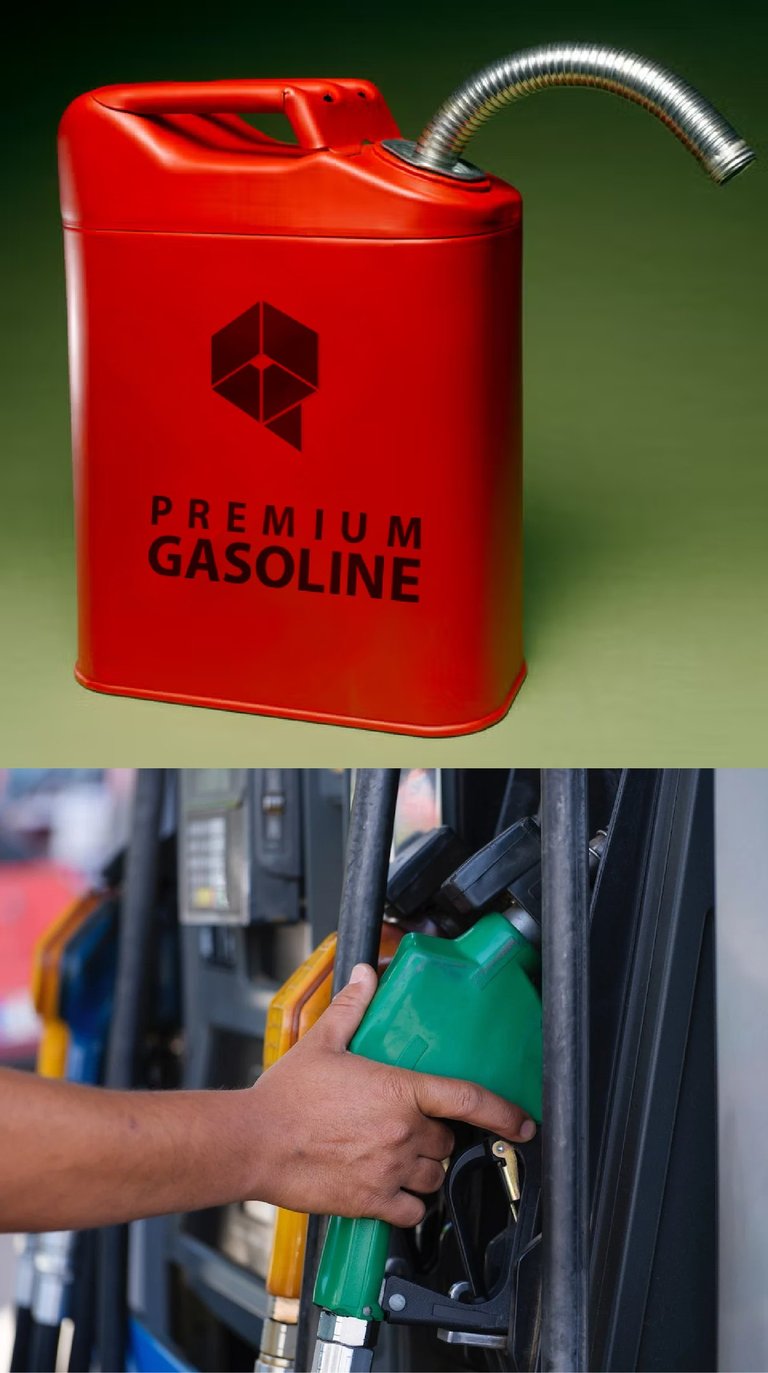
Gasoline is naturally clear or colourless, like water, but it often appears slightly yellowish or amber due to natural compounds from refining; it's frequently dyed specific colours (like red or purple) to denote tax status for off-road or industrial use, distinguishing it from on-road fuel. Different grades or additives can also give it hues of green, yellow, or brown, but the base fuel is clear.
Colours of Gasoline
Natural Colour
Clear/Colourless: Fresh, pure gasoline is essentially clear, similar to water.
Faint Yellow/Amber: A slight yellow or golden tint comes from the refining process and natural components.
Dyed Colors (for tax/usage)
Red: Commonly used for off-road diesel and sometimes gasoline, indicating it's untaxed for road use, used in farming, construction, or marine vessels.
Purple/Other: Various colours, including purple, can be used for special, tax-exempt fuels, depending on regional regulations.
Other Colours
Blue: Aviation gasoline (Avgas) is distinct and often dyed blue.
Green/Brown: Specific additives for different grades or regions can create green, yellow, or brown shades