
Crude Oil
Pure Power
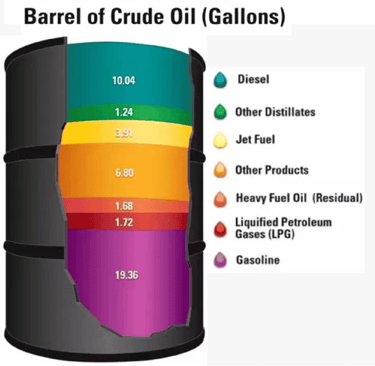
Crude oil (or petroleum) is a naturally occurring, unrefined liquid fossil fuel, formed from ancient organic matter (plankton, plants) buried under layers of rock over millions of years, subjected to heat and pressure, resulting in a complex mixture of hydrocarbons. It's a nonrenewable resource, essential for global energy, refined into gasoline, diesel, jet fuel, lubricants, and petrochemicals for plastics, fertilizers, and countless other products. Classified by density (light/heavy) and sulfur content (sweet/sour), it's a vital but finite global commodity.
What it is
A complex, naturally occurring liquid found in underground reservoirs, primarily composed of hydrocarbons (carbon and hydrogen).
Contains smaller amounts of sulfur, nitrogen, oxygen, and metals.
Ranges in color from light yellow to black and viscosity from thin liquid to thick tar.
Importance & uses
Energy: Powers transportation (gasoline, diesel, jet fuel) and heating.
Petrochemicals: Basis for plastics (bottles, electronics), synthetic fibers (nylon, polyester), asphalt, fertilizers, pesticides, and pharmaceuticals.
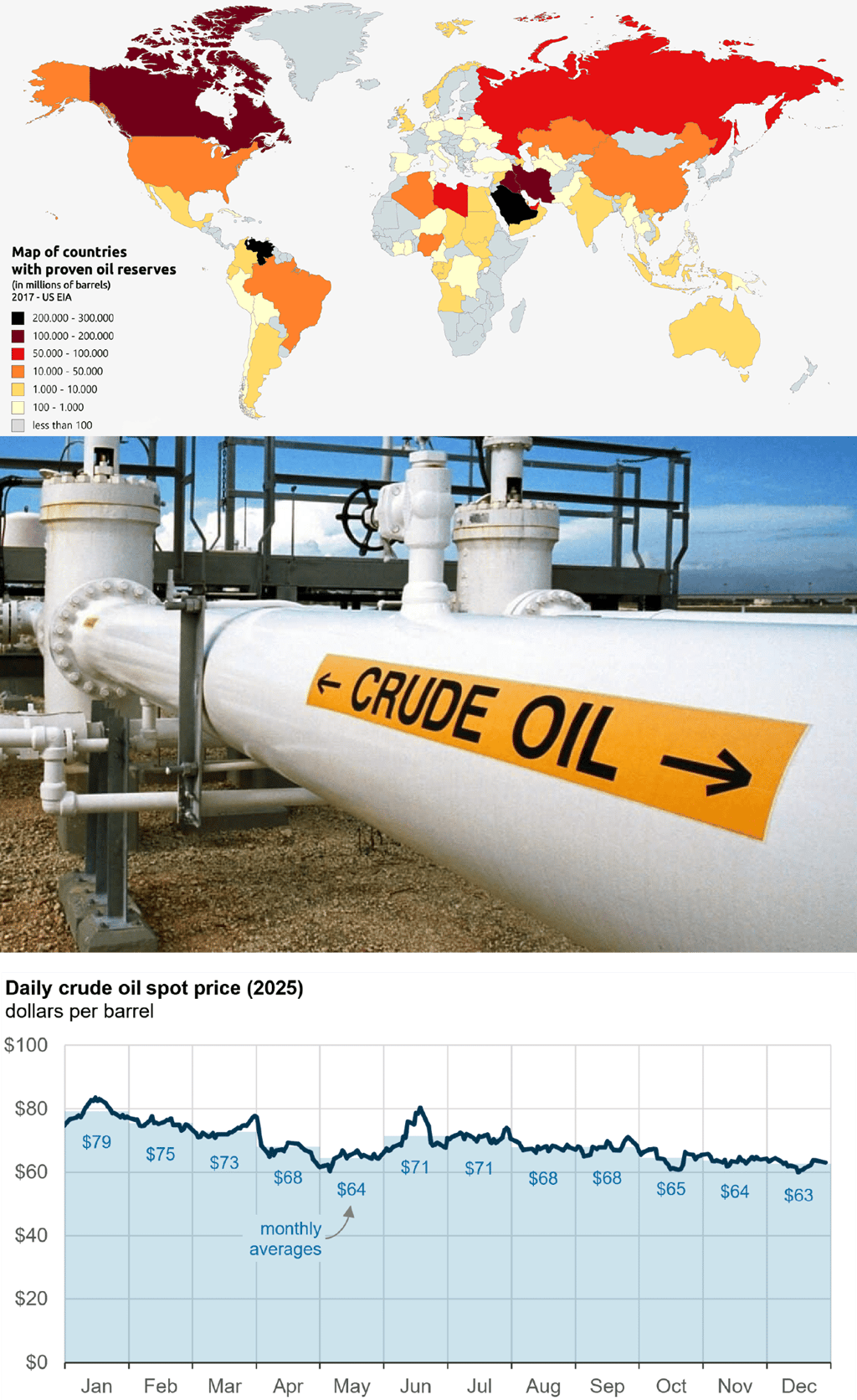
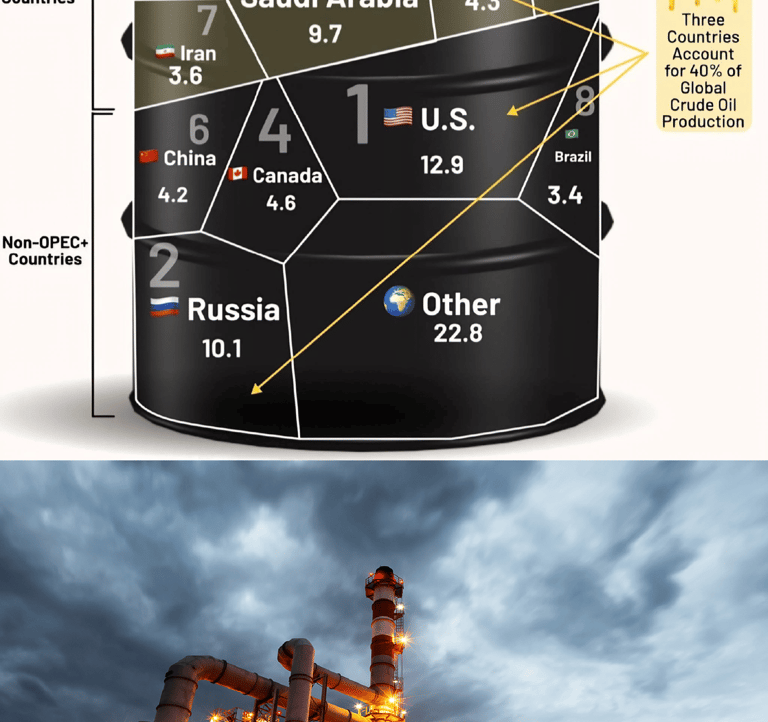
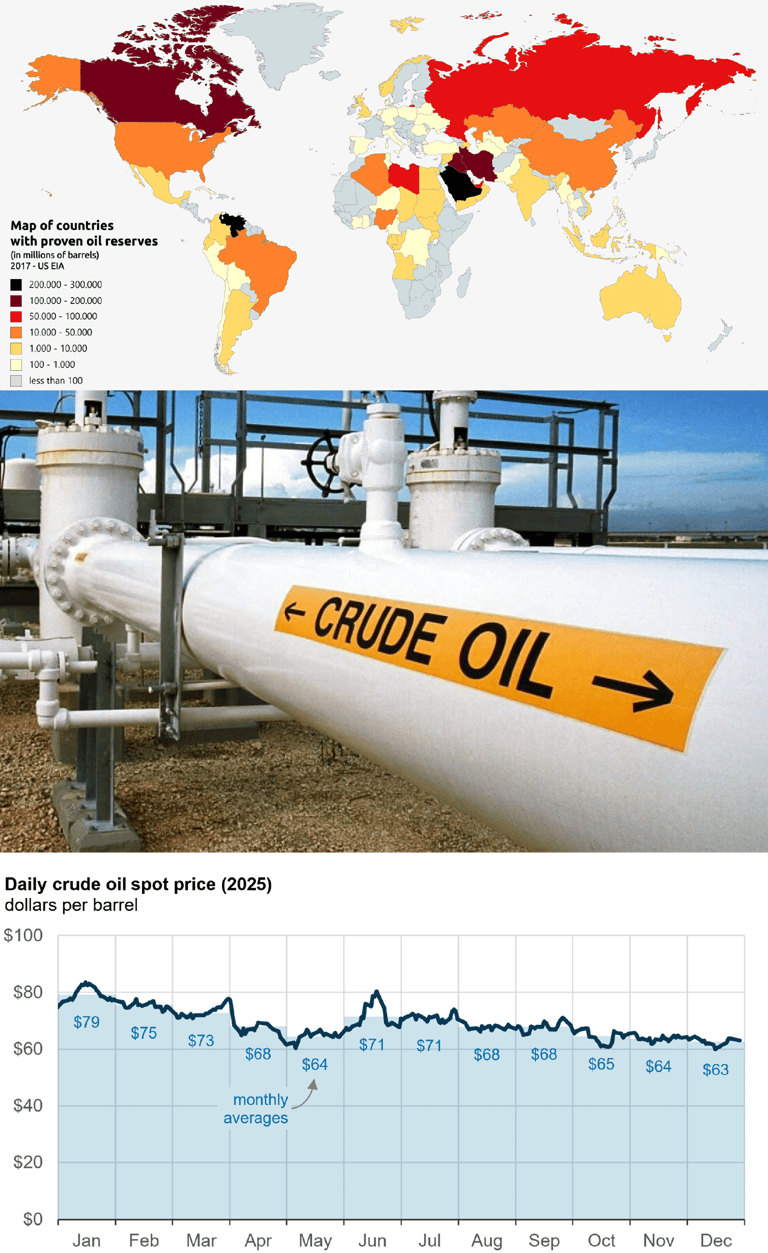
Global Commodity: Traded globally, influencing economies and geopolitics.
Crude oil types are primarily categorized by density (light, medium, heavy, extra heavy) and sulfur content (sweet, sour), measured by API gravity and sulfur percentage, respectively; light, sweet crude (like WTI & Brent) is less dense, flows easily, and is more valuable, while heavy, sour crude is thick, viscous, contains more sulfur, and requires more processing, often yielding heavier products like asphalt.
Types of Crude Oil
By Density (API Gravity)
Light Crude (API > 31.1°): Low density, flows easily, yields more gasoline/diesel. Examples: West Texas Intermediate (WTI), Brent.
Medium Crude (API 22.3° - 31.1°): Moderate density, balanced output.
Heavy Crude (API 10° - 22.2°): High density, thick, viscous, yields more residual fuel.
Extra Heavy Crude/Bitumen (API < 10°): Extremely thick, often semi-solid, requires significant processing.
By Sulfur Content
Sweet Crude: Low sulfur content (typically < 0.5%), easier and cheaper to refine, more valuable. Examples: WTI, Brent.
Sour Crude: High sulfur content (typically > 1%), requires more complex refining, less valuable. Example: OPEC Basket.
By Physical Characteristics (EPA Classification)
Class A (Light/Volatile): Fluid, fast-spreading (e.g., gasoline).
Class B (Medium/Non-Sticky): Waxy texture (e.g., diesel).
Class C (Heavy/Sticky): Thick, tarry (e.g., residual fuel oil).
Class D (Extra Heavy/Non-Fluid): Solid/semi-solid, very thick.
Key Benchmarks
West Texas Intermediate (WTI): Light, sweet, highly valuable US benchmark.
Brent Blend: Light, sweet, major global benchmark from the North Sea.
OPEC Basket: A mix of oils, often heavier and sour, representing OPEC production.
Dubai Fateh: A key reference for medium sour crude from the Middle East, especially for Asian markets.
Crude oil color varies widely from pale yellow, amber, green, or red to dark brown or black, depending on its hydrocarbon composition, with lighter, higher-quality oils generally being lighter in color and darker oils containing heavier compounds. While often called "black gold," its appearance is a spectrum, reflecting the diverse mix of organic materials from which it's formed.
Colours of Crude Oil
Colour Variation Explained
Light Crude Oils: May appear pale yellow, golden, or even have a greenish tint, indicating lighter hydrocarbons and higher quality.
Heavy Crude Oils: Tend to be dark brown or black due to heavier, more complex hydrocarbon molecules and impurities.
Fluorescence: Fresh crude oil can sometimes exhibit a yellow to green-blue fluorescence when exposed to light.
Factors Influencing Colour
Hydrocarbon Composition: The specific mix of alkanes, aromatics, and other organic compounds determines the shade.
Impurities: Sulfur, nitrogen, and oxygen content can affect color.
Source & Formation: Different geological conditions result in oils with varying chemical structures and colors.
Examples of Colour Range
Pale Yellow/Amber: Lighter, more valuable oils.
Green/Red: Some lighter grades can show these hues.
Dark Brown/Black: The most common appearance for many crudes.
Crude Oil
Pure Power
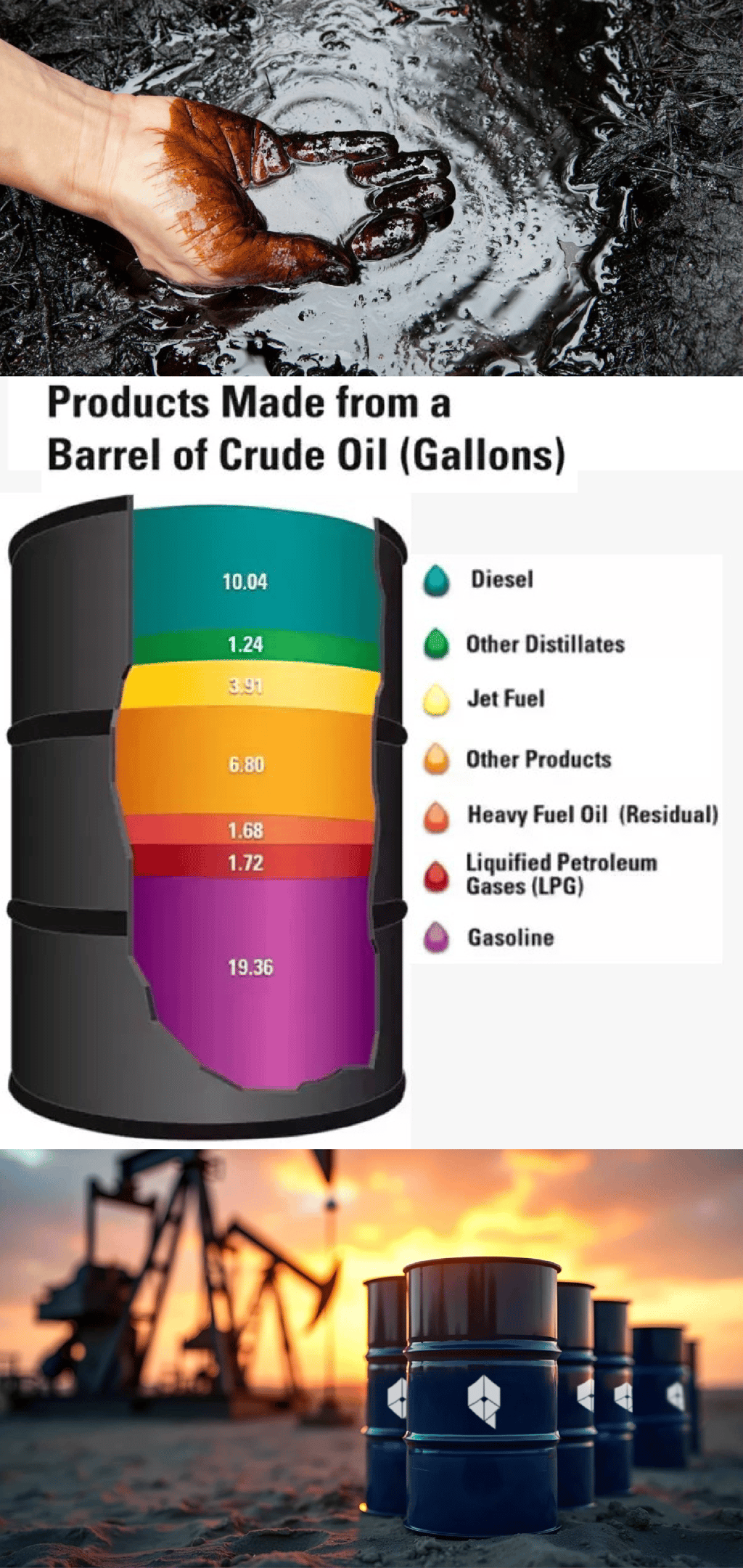
Crude oil (or petroleum) is a naturally occurring, unrefined liquid fossil fuel, formed from ancient organic matter (plankton, plants) buried under layers of rock over millions of years, subjected to heat and pressure, resulting in a complex mixture of hydrocarbons. It's a nonrenewable resource, essential for global energy, refined into gasoline, diesel, jet fuel, lubricants, and petrochemicals for plastics, fertilizers, and countless other products. Classified by density (light/heavy) and sulfur content (sweet/sour), it's a vital but finite global commodity.
What it is
A complex, naturally occurring liquid found in underground reservoirs, primarily composed of hydrocarbons (carbon and hydrogen).
Contains smaller amounts of sulfur, nitrogen, oxygen, and metals.
Ranges in color from light yellow to black and viscosity from thin liquid to thick tar.
Importance & uses
Energy: Powers transportation (gasoline, diesel, jet fuel) and heating.
Petrochemicals: Basis for plastics (bottles, electronics), synthetic fibers (nylon, polyester), asphalt, fertilizers, pesticides, and pharmaceuticals.
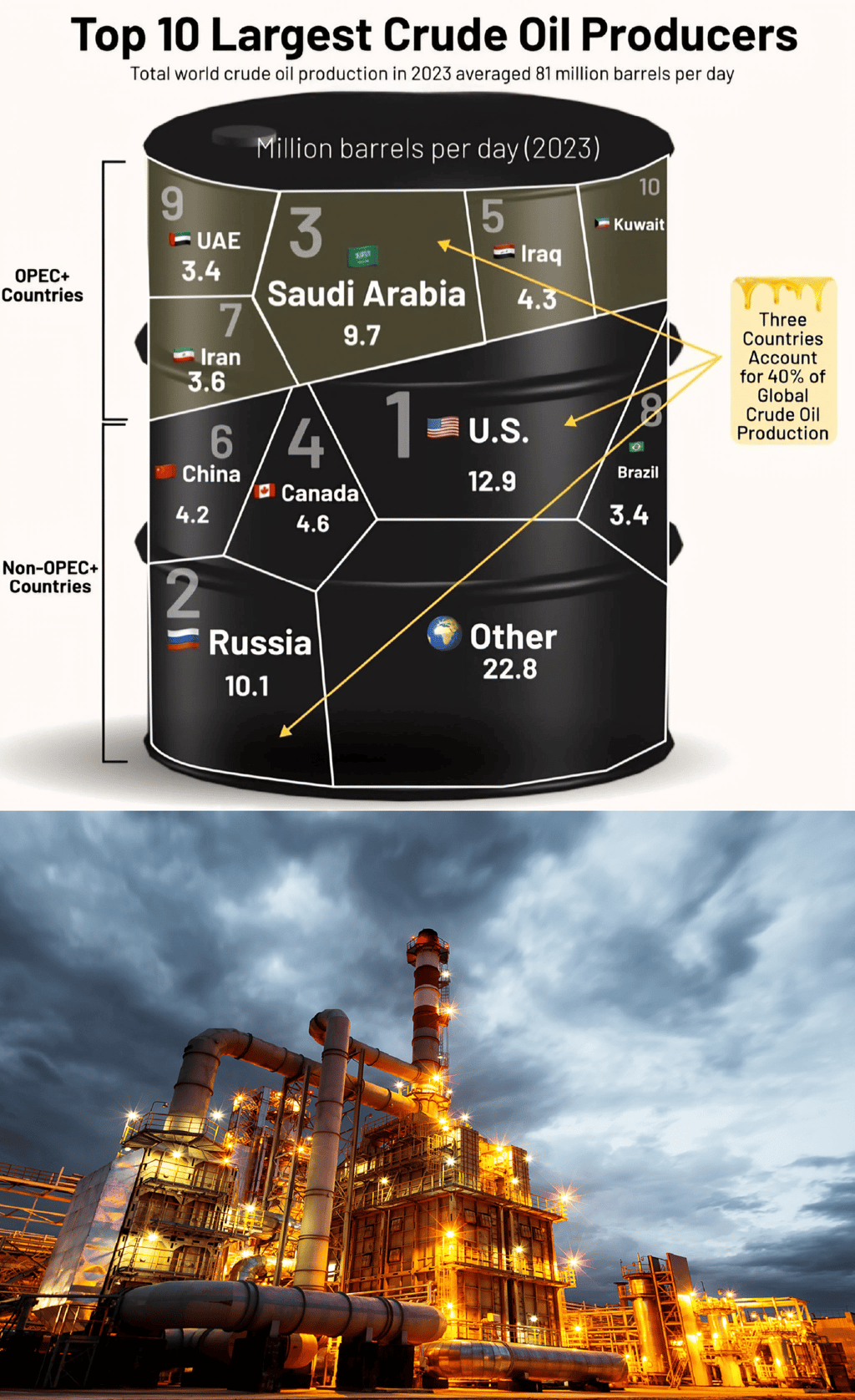
Global Commodity: Traded globally, influencing economies and geopolitics.
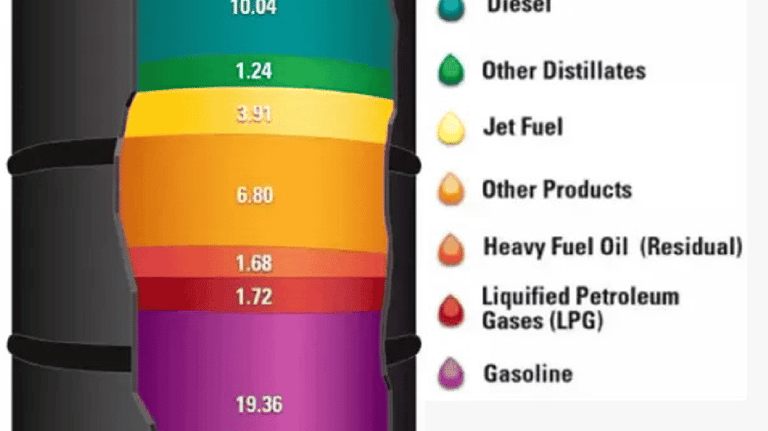
Crude oil types are primarily categorized by density (light, medium, heavy, extra heavy) and sulfur content (sweet, sour), measured by API gravity and sulfur percentage, respectively; light, sweet crude (like WTI & Brent) is less dense, flows easily, and is more valuable, while heavy, sour crude is thick, viscous, contains more sulfur, and requires more processing, often yielding heavier products like asphalt.
By Density (API Gravity)
Light Crude (API > 31.1°): Low density, flows easily, yields more gasoline/diesel. Examples: West Texas Intermediate (WTI), Brent.
Medium Crude (API 22.3° - 31.1°): Moderate density, balanced output.
Heavy Crude (API 10° - 22.2°): High density, thick, viscous, yields more residual fuel.
Extra Heavy Crude/Bitumen (API < 10°): Extremely thick, often semi-solid, requires significant processing.
By Sulfur Content
Sweet Crude: Low sulfur content (typically < 0.5%), easier and cheaper to refine, more valuable. Examples: WTI, Brent.
Sour Crude: High sulfur content (typically > 1%), requires more complex refining, less valuable. Example: OPEC Basket.
By Physical Characteristics (EPA Classification)
Class A (Light/Volatile): Fluid, fast-spreading (e.g., gasoline).
Class B (Medium/Non-Sticky): Waxy texture (e.g., diesel).
Class C (Heavy/Sticky): Thick, tarry (e.g., residual fuel oil).
Class D (Extra Heavy/Non-Fluid): Solid/semi-solid, very thick.
Key Benchmarks
West Texas Intermediate (WTI): Light, sweet, highly valuable US benchmark.
Brent Blend: Light, sweet, major global benchmark from the North Sea.
OPEC Basket: A mix of oils, often heavier and sour, representing OPEC production.
Dubai Fateh: A key reference for medium sour crude from the Middle East, especially for Asian markets.
Types of Crude Oil
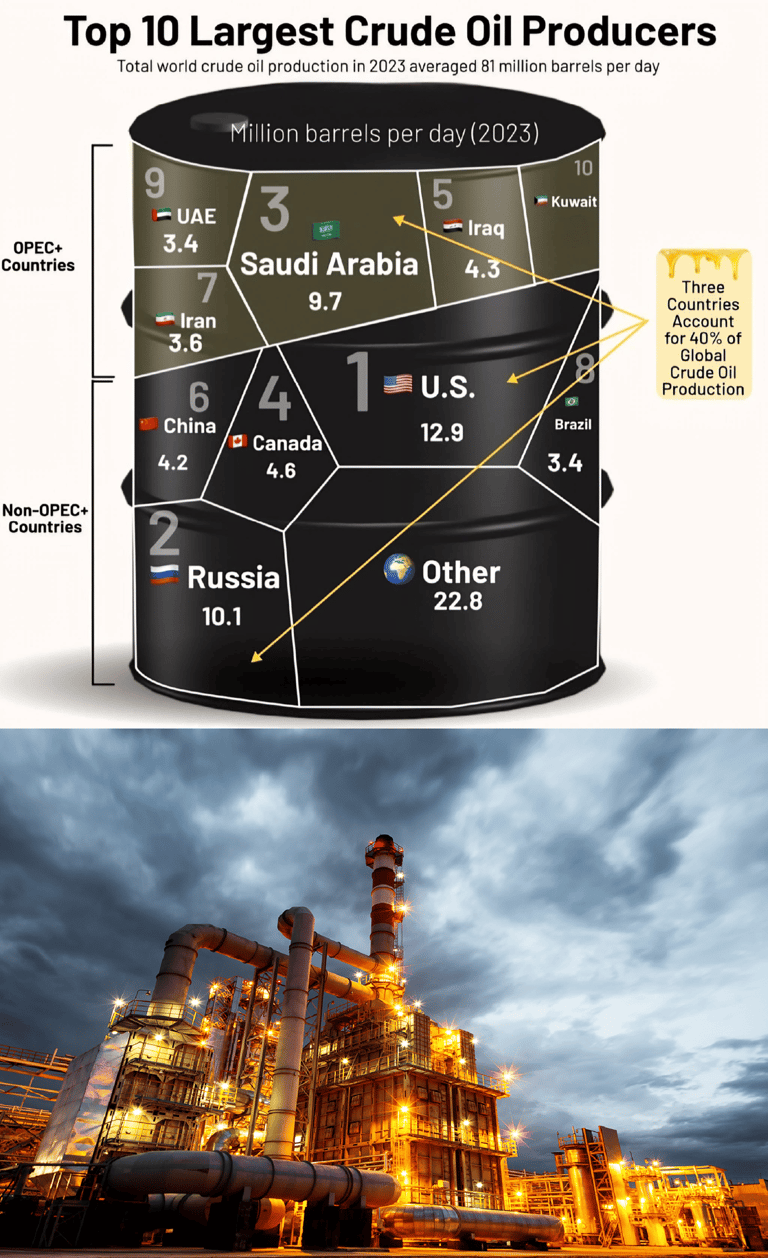
Crude oil color varies widely from pale yellow, amber, green, or red to dark brown or black, depending on its hydrocarbon composition, with lighter, higher-quality oils generally being lighter in color and darker oils containing heavier compounds. While often called "black gold," its appearance is a spectrum, reflecting the diverse mix of organic materials from which it's formed.
Colours of Crude Oil
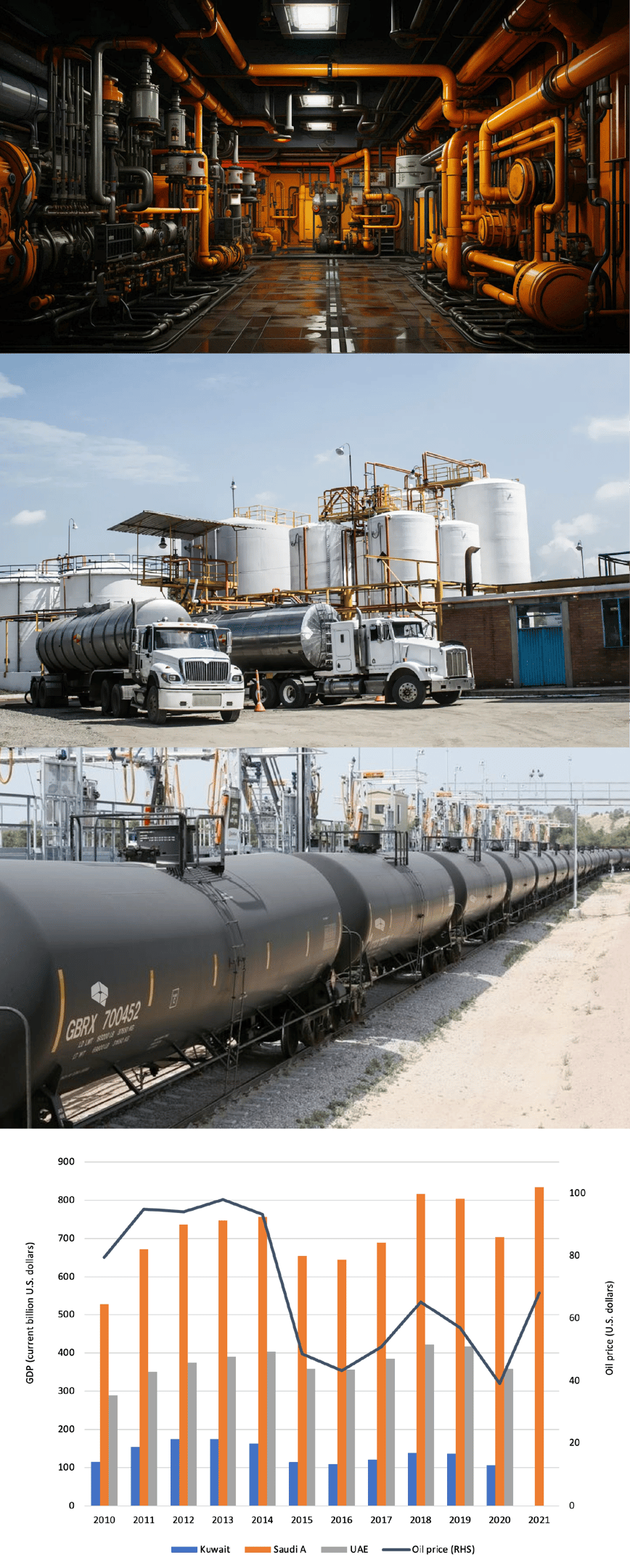
Colour Variation Explained
Light Crude Oils: May appear pale yellow, golden, or even have a greenish tint, indicating lighter hydrocarbons and higher quality.
Heavy Crude Oils: Tend to be dark brown or black due to heavier, more complex hydrocarbon molecules and impurities.
Fluorescence: Fresh crude oil can sometimes exhibit a yellow to green-blue fluorescence when exposed to light.
Factors Influencing Colour
Hydrocarbon Composition: The specific mix of alkanes, aromatics, and other organic compounds determines the shade.
Impurities: Sulfur, nitrogen, and oxygen content can affect color.
Source & Formation: Different geological conditions result in oils with varying chemical structures and colors.
Examples of Colour Range
Pale Yellow/Amber: Lighter, more valuable oils.
Green/Red: Some lighter grades can show these hues.
Dark Brown/Black: The most common appearance for many crudes.