
Gasoil
Efficiency in Every Drop
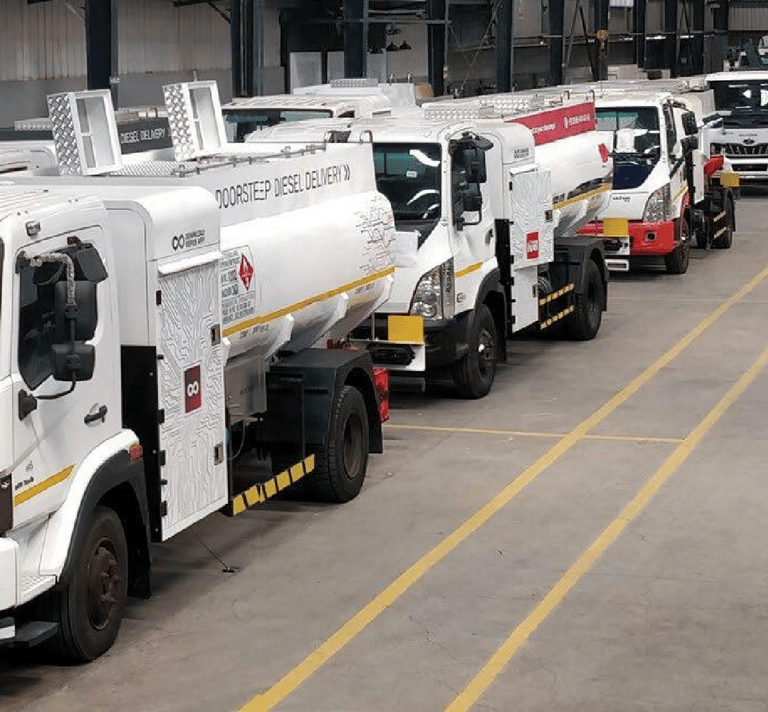
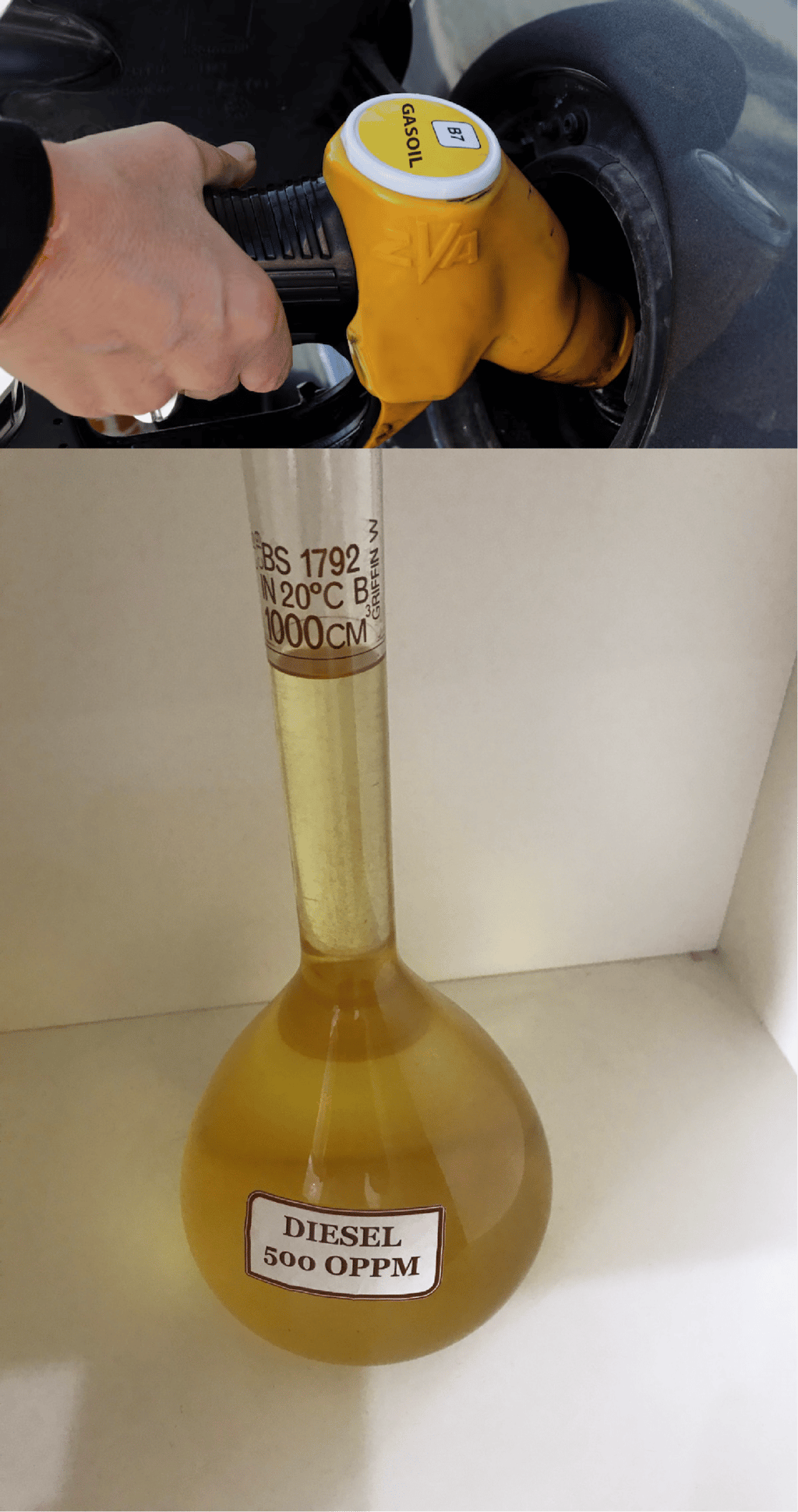
Gasoil is a middle-distillate petroleum fraction used primarily as diesel engine fuel and for industrial and residential heating. It is a versatile fuel known for its high energy density and efficiency.
Gasoil is obtained from the refining of crude oil through fractional distillation, boiling at a temperature range typically between 180°C and 360°C (356°F–662°F).
Composition: It is a complex mixture of hydrocarbons, primarily alkanes (paraffins), cycloalkanes (naphthenes), and aromatics, with carbon numbers ranging from C10 to C20.
Physical Characteristics: It is heavier than gasoline but lighter than lubricating oils and heavy fuel oils. It has a high flash point (above 60°C), making it safer to handle than more volatile fuels like gasoline.
Terminology: Gasoil is known by several names, including diesel oil, distillate fuel oil, heating oil, and in the UK, "red diesel" (due to a red dye added for tax purposes, as it is a lower-taxed, off-road fuel).
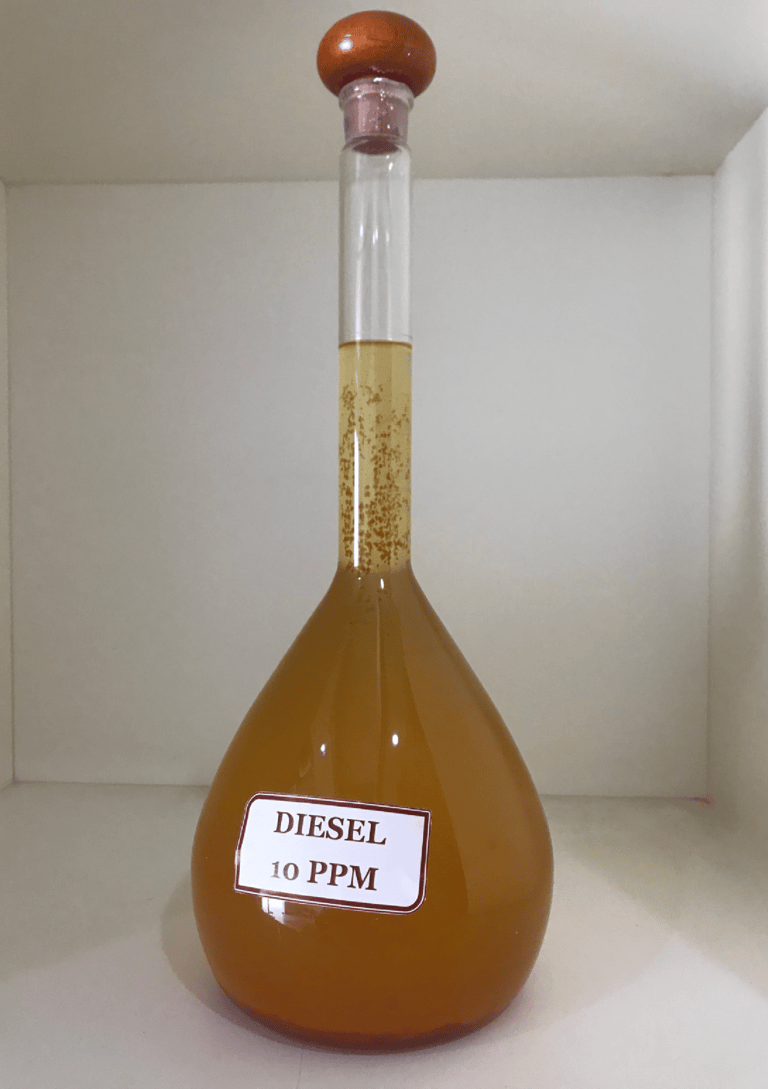
Gasoil has several types mainly categorized by use, composition, and additives, including Red Diesel/Agricultural Diesel (low-duty for farming/off-road), Marine Gas Oil (MGO) (cleaner for ships), Home Heating Oil (Kerosene), #2 Fuel Oil (general purpose), and specialized grades like Ultra-Low Sulfur Marine Gas Oil (ULSMGO) and HVO (Hydrotreated Vegetable Oil), with distinctions based on sulfur content, viscosity, and dye markers.
Types of Gas Oil
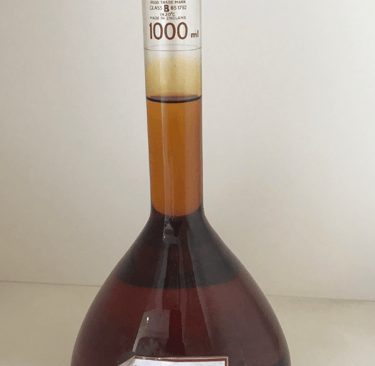
By Application & Dye
Red Diesel (Gas Oil/Agricultural Diesel): Dyed red for tax purposes, used in tractors, construction, and off-road vehicles.
Marine Gas Oil (MGO/LSMGO/ULSMGO): Used in ships, with lower sulfur content (LS/ULS) for stricter regulations, often called Marine Diesel.
Home Heating Oil: Lighter than gas oil, often kerosene (28-second oil) for residential use.
1.46Generator Diesel: Used for backup power, can be standard or low-sulfur.
By Composition & Grade (General)
Distillate Fuel Oil: A broad category including gas oil, kerosene, and #2 heating oil, vaporized during refining.
#2 Fuel Oil: Common for residential heating and some industrial uses, similar to standard diesel.
Heavy Gas Oil (HGO): A heavier fraction, used as feedstock or blended into residual fuels.
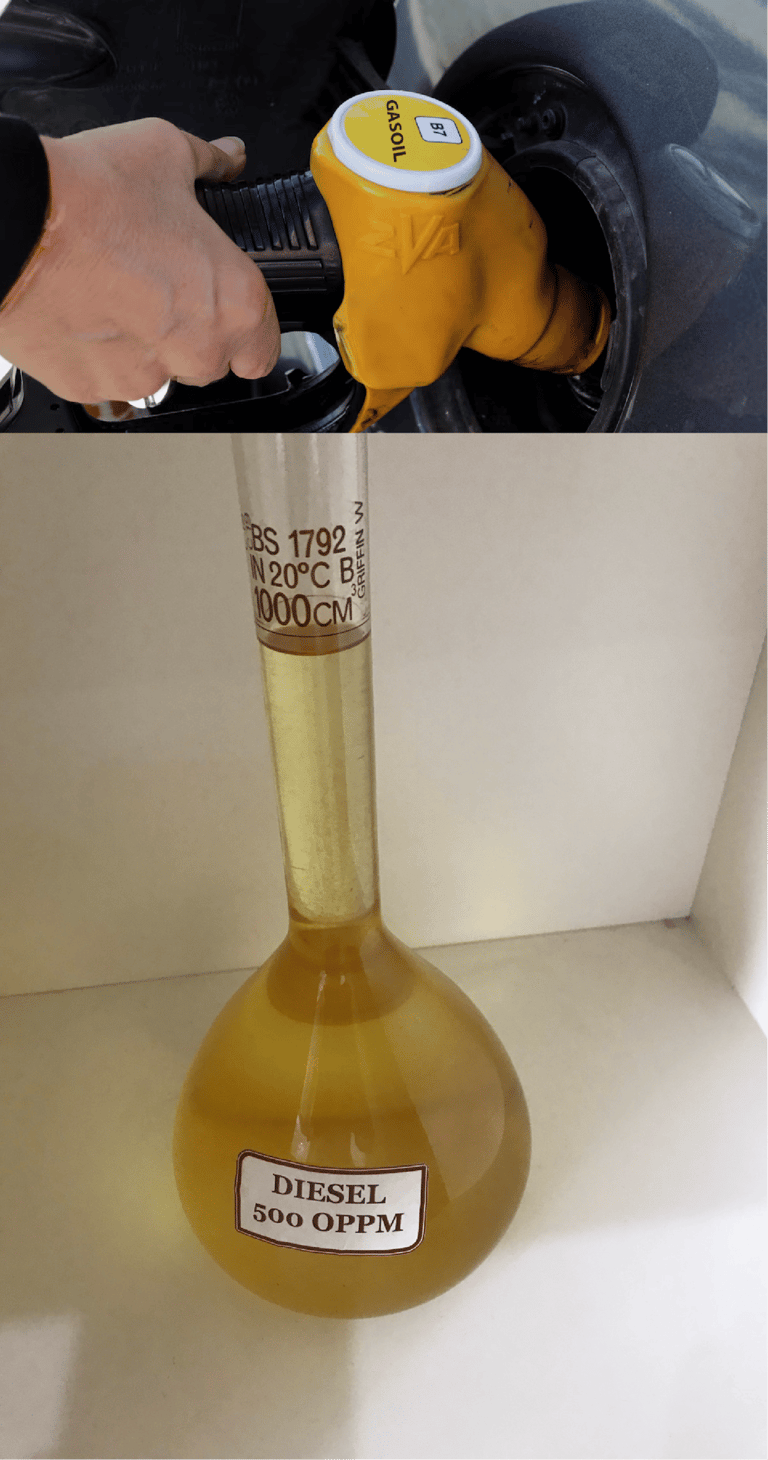
By Modern Standards & Blends
HVO (Hydrotreated Vegetable Oil): A renewable, paraffinic diesel alternative, cleaner-burning.
Paraffinic Diesel (EN 15940): High-quality, low-sulfur, low-aromatic diesel, often HVO.
Biodiesel (EN 14214): Blends with traditional diesel, made from vegetable oils.
Key Differentiators
Sulfur Content: Lower sulfur (LS/ULS) fuels are mandated for cleaner emissions, especially in sensitive areas.
Viscosity: Measured in centistokes (cSt), affects engine type (e.g., IFO 180, IFO 380 for ships).
Additives: Dyes (red for off-road), markers, and cetane improvers change fuel properties and legal use.
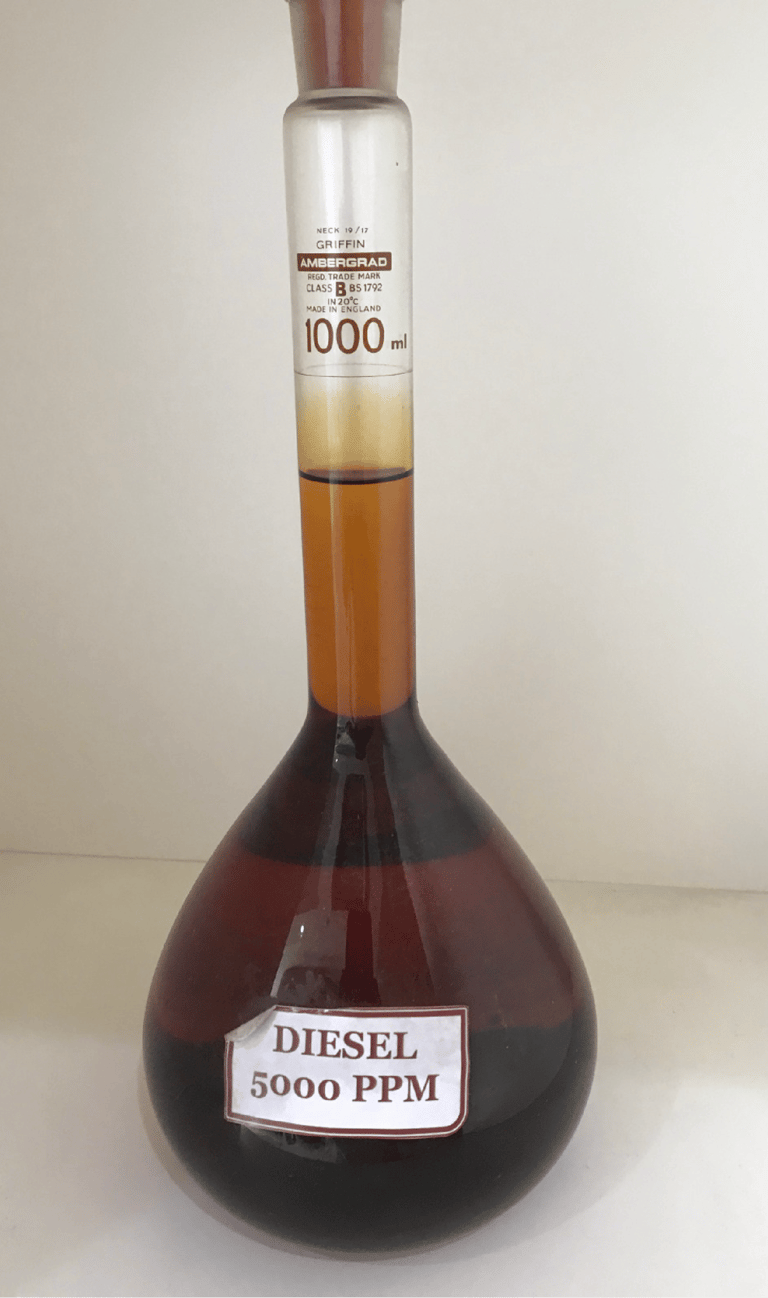
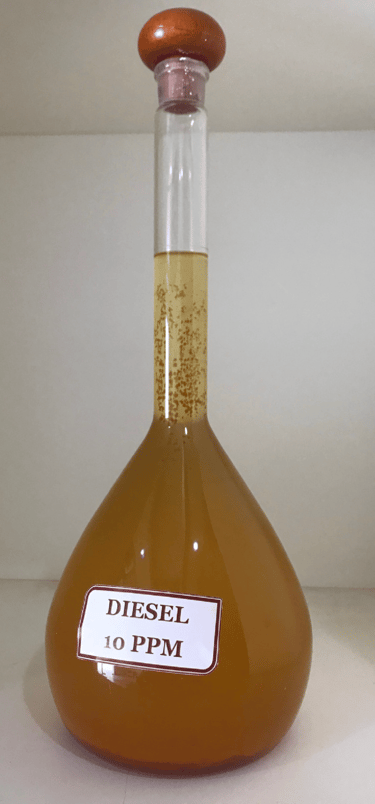
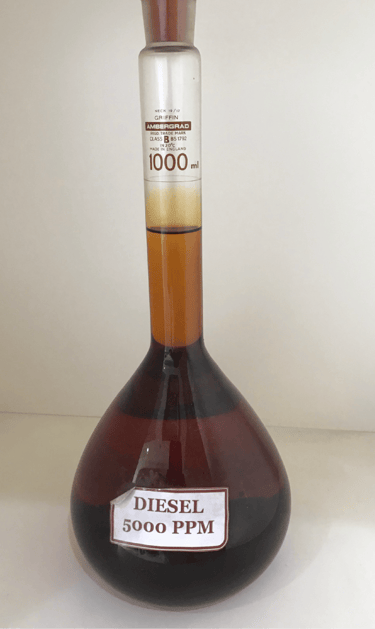
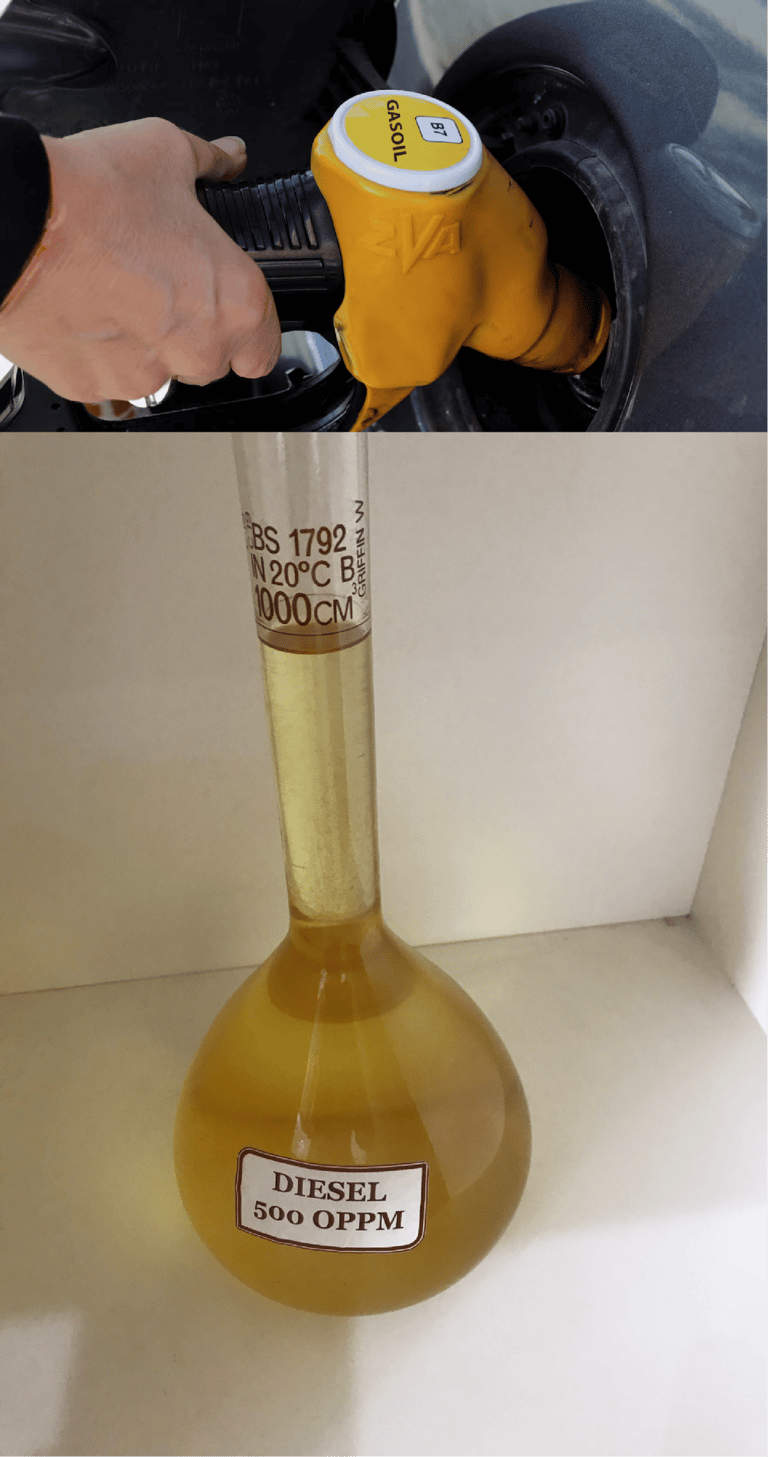
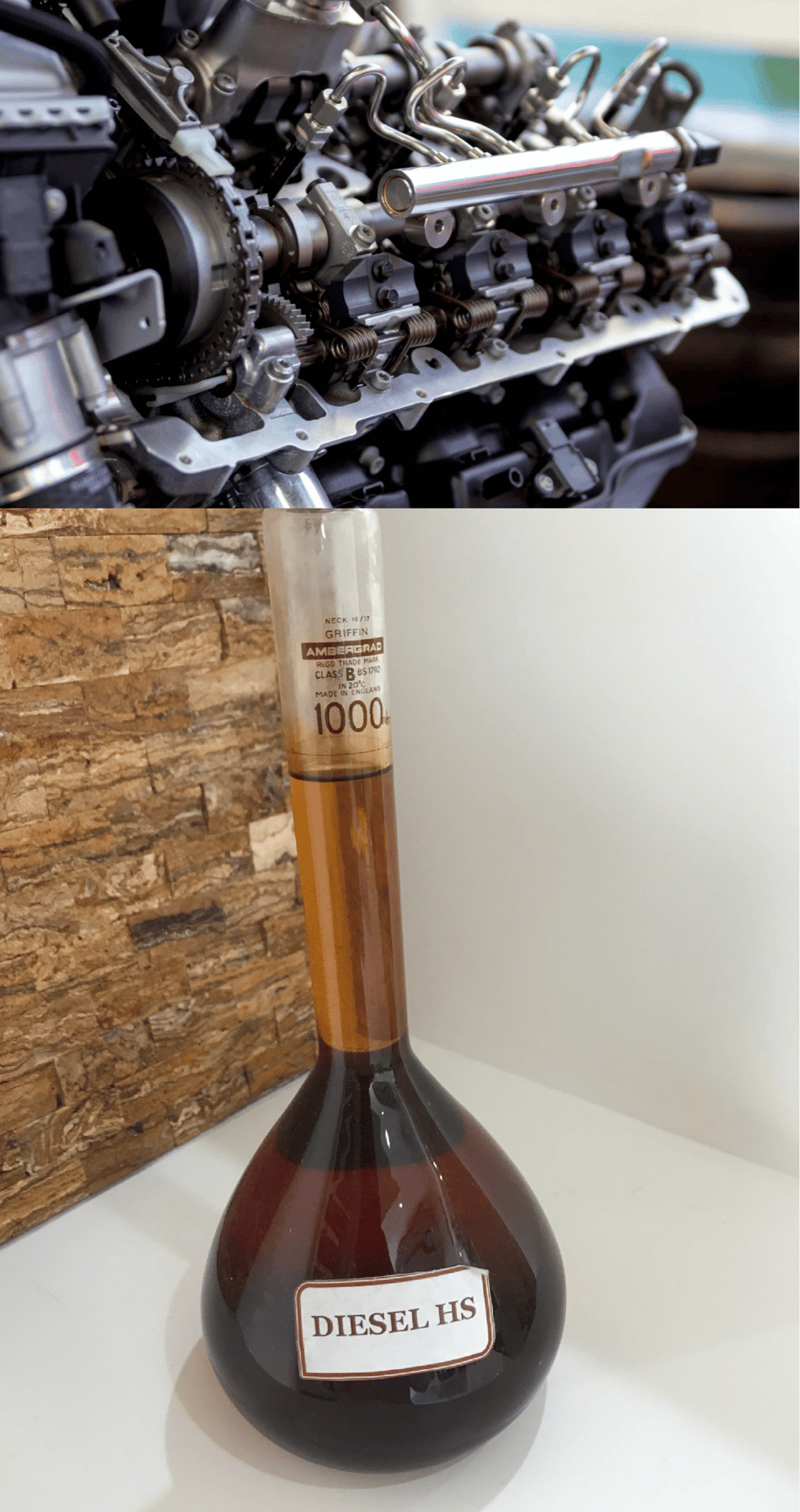
Gasoil, also known as diesel, can vary in color due to the refining process and the presence of additives.
Here are the common colors of gasoil:
Colours of Gas Oil
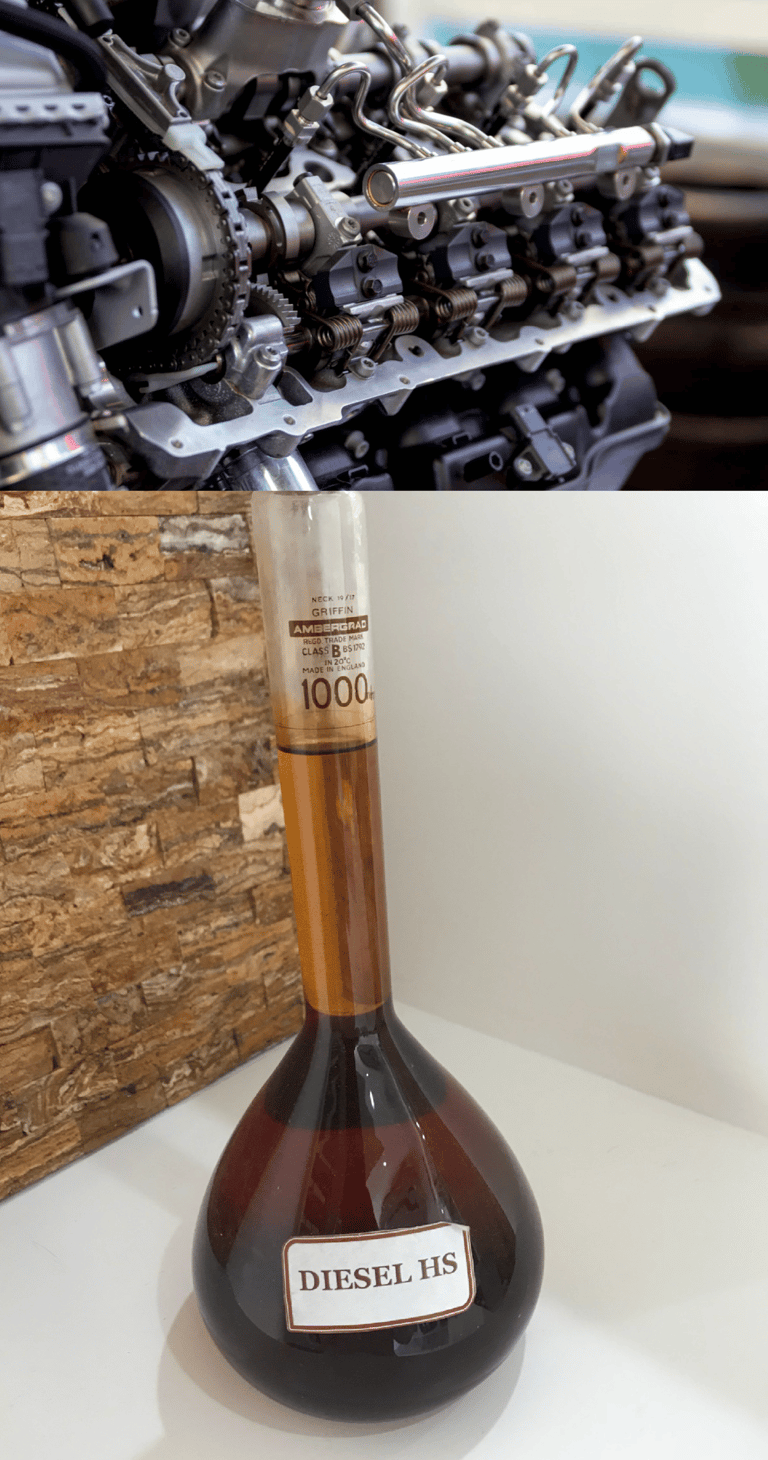
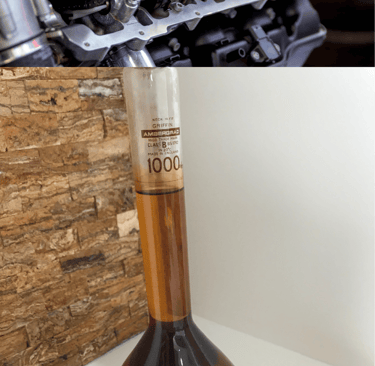
Colourless
Highly refined and free from impurities, used for sensitive industrial equipment or high-performance engines.
Lemon
Indicates the presence of certain additives, enhancing performance and combustion efficiency.
Yellow
The most common variant, signifies a standard level of refining and can result from natural compounds in crude oil.
Red
Used for off-road vehicles and equipment, often dyed for identification purposes.
Blue
Another dyed colour used for off-road vehicles and equipment.
These colors help in identifying the quality and suitability of gasoil for different applications. It's important to ensure that the gasoil remains free from contaminants and adheres to quality standards to maintain the integrity and performance of diesel

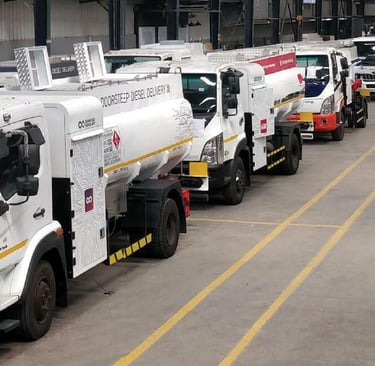
Gasoil
Efficiency in Every Drop
Gasoil is a middle-distillate petroleum fraction used primarily as diesel engine fuel and for industrial and residential heating. It is a versatile fuel known for its high energy density and efficiency.
Gasoil is obtained from the refining of crude oil through fractional distillation, boiling at a temperature range typically between 180°C and 360°C (356°F–662°F).
Composition: It is a complex mixture of hydrocarbons, primarily alkanes (paraffins), cycloalkanes (naphthenes), and aromatics, with carbon numbers ranging from C10 to C20.
Physical Characteristics: It is heavier than gasoline but lighter than lubricating oils and heavy fuel oils. It has a high flash point (above 60°C), making it safer to handle than more volatile fuels like gasoline.
Terminology: Gasoil is known by several names, including diesel oil, distillate fuel oil, heating oil, and in the UK, "red diesel" (due to a red dye added for tax purposes, as it is a lower-taxed, off-road fuel).
Gasoil has several types mainly categorized by use, composition, and additives, including Red Diesel/Agricultural Diesel (low-duty for farming/off-road), Marine Gas Oil (MGO) (cleaner for ships), Home Heating Oil (Kerosene), #2 Fuel Oil (general purpose), and specialized grades like Ultra-Low Sulfur Marine Gas Oil (ULSMGO) and HVO (Hydrotreated Vegetable Oil), with distinctions based on sulfur content, viscosity, and dye markers.
Types of Gas Oil
By Application & Dye
Red Diesel (Gas Oil/Agricultural Diesel): Dyed red for tax purposes, used in tractors, construction, and off-road vehicles.
Marine Gas Oil (MGO/LSMGO/ULSMGO): Used in ships, with lower sulfur content (LS/ULS) for stricter regulations, often called Marine Diesel.
Home Heating Oil: Lighter than gas oil, often kerosene (28-second oil) for residential use.
Generator Diesel: Used for backup power, can be standard or low-sulfur.
By Composition & Grade (General)
Distillate Fuel Oil: A broad category including gas oil, kerosene, and #2 heating oil, vaporized during refining.
#2 Fuel Oil: Common for residential heating and some industrial uses, similar to standard diesel.
Heavy Gas Oil (HGO): A heavier fraction, used as feedstock or blended into residual fuels.
By Modern Standards & Blends
HVO (Hydrotreated Vegetable Oil): A renewable, paraffinic diesel alternative, cleaner-burning.
Paraffinic Diesel (EN 15940): High-quality, low-sulfur, low-aromatic diesel, often HVO.
Biodiesel (EN 14214): Blends with traditional diesel, made from vegetable oils.
Key Differentiators
Sulfur Content: Lower sulfur (LS/ULS) fuels are mandated for cleaner emissions, especially in sensitive areas.
Viscosity: Measured in centistokes (cSt), affects engine type (e.g., IFO 180, IFO 380 for ships).
Additives: Dyes (red for off-road), markers, and cetane improvers change fuel properties and legal use.

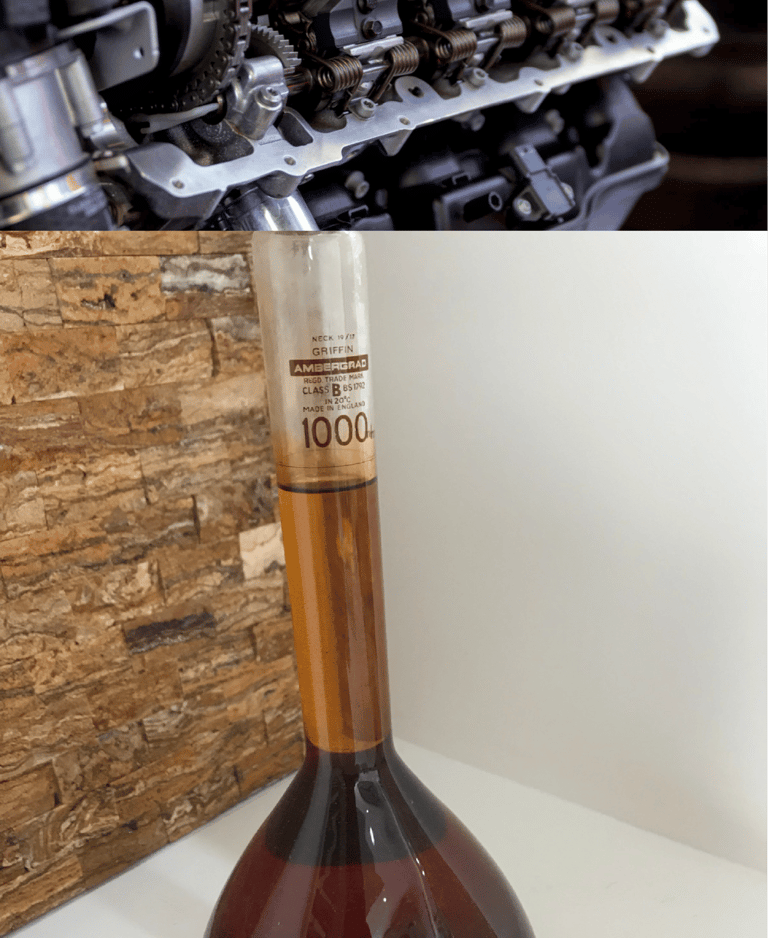

Gasoil, also known as diesel, can vary in color due to the refining process and the presence of additives.
Here are the common colors of gasoil:
Colours of Gas Oil
Colourless
Highly refined and free from impurities, used for sensitive industrial equipment or high-performance engines.
Lemon
Indicates the presence of certain additives, enhancing performance and combustion efficiency.
Yellow
The most common variant, signifies a standard level of refining and can result from natural compounds in crude oil.
Red
Used for off-road vehicles and equipment, often dyed for identification purposes.
Blue
Another dyed colour used for off-road vehicles and equipment.
These colors help in identifying the quality and suitability of gasoil for different applications. It's important to ensure that the gasoil remains free from contaminants and adheres to quality standards to maintain the integrity and performance of diesel